
MAH-Grafted Polymer Compliance: Certifications, Standards and Regional Requirements
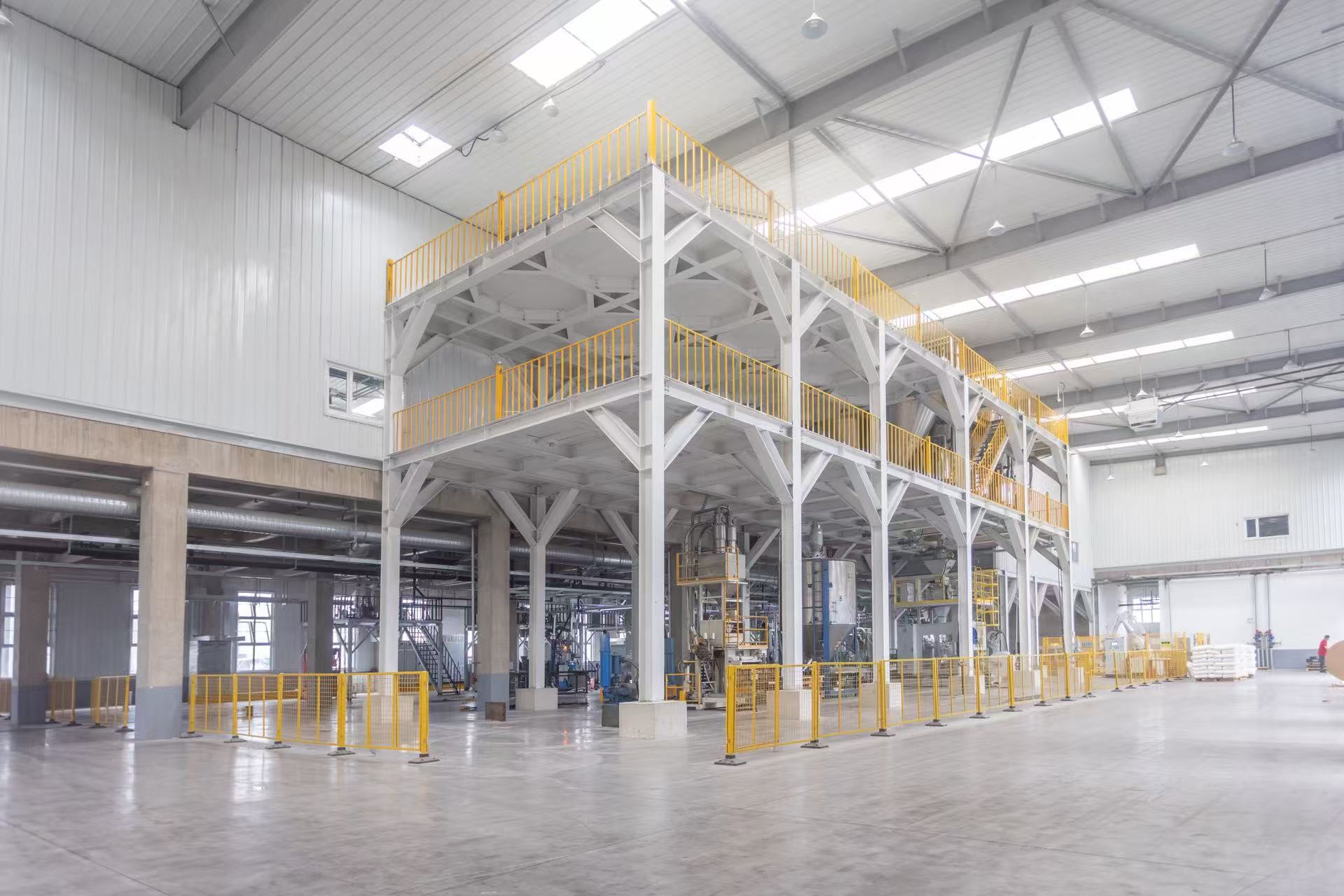
Compliance for a maleic anhydride (MAH) grafted polymer is not one certificate. It is a chain of three different document sets — a management-system certificate, a product-level technical and safety file, and market-specific declarations tied to the end use — and each one answers a different question. Procurement teams that accept an ISO 9001 certificate as proof of product compliance usually find the gap later: at customs, at the customer's incoming inspection, or during a food-contact or automotive audit.
This guide is written for procurement and technical teams in the research and evaluation stage of sourcing MAH-grafted compatibilizers, tougheners and adhesive resins. It lists the document categories to request, explains what each standard actually verifies, and sets out a repeatable method for mapping a supplier's file to the markets and applications you sell into. KETONG (Shenyang Ketong New Materials Co., Ltd.) is used as the worked example because its management-system certificates and grade-level technical data can be checked line by line — the same method applies to any supplier on your shortlist.
Why MAH-grafted polymers need a document chain rather than a single certificate
Maleic anhydride is a reactive cyclic anhydride with the molecular formula C4H2O3 and a molecular weight of 98.0569 g/mol, as recorded in the NIST Chemistry WebBook. In a grafted polymer it is no longer present as free maleic anhydride; it is chemically attached to a polymer backbone. Product identity is therefore two-part — the functional monomer and the backbone — and nearly every compliance question follows from that pair.
The same commercial label covers materially different products. Public product-class documentation reviewed for this guide positions MAH-grafted polymers across compatibilization, coupling, adhesion promotion and impact modification, with backbones spanning PP, PE, POE, EPDM, ABS, SEBS, EVA and PBAT. A declaration written for a PP-g-MAH coupling agent does not automatically transfer to a POE-g-MAH nylon toughener, because the polymer the additive ends up in — and the finished article it becomes — is different.
Two further points shape the request list. First, interior and automotive applications have pushed grade design toward lower odor: a 2026 commercial research report published by Market Growth Reports states that 64% of commercial MAH-g-PP grades are engineered with reduced odor and improved stability for automotive use. Where a low-odor claim is commercially important, it has to be supported by test data rather than by the product name. Second, publicly available grade-level regulatory documentation for MAH-grafted polymers is thin — there is no single public register where a buyer can look up a grade and receive a conformity answer. The evidence sits in the supplier's own file, which is why the request list matters more here than in commodity chemical purchasing.
The three layers of an MAH-grafted polymer compliance file
Separating the three layers prevents the most common review error: treating a document from one layer as evidence for another.
| Layer | Documents | Question it answers | Question it cannot answer |
|---|---|---|---|
| 1. Management system | ISO 9001:2015, ISO 14001:2015, ISO 45001:2018 certificates | Is there a controlled, auditable process for quality, environment and safety? | Is this specific grade compliant for my market? |
| 2. Product technical and safety | Technical data sheet (TDS), safety data sheet (SDS), batch certificate of analysis (CoA), third-party test reports | What exactly is this grade, and what does this delivery contain? | Is the finished article approved for a regulated use? |
| 3. Market and end use | Regulatory status statements, RoHS declarations, food-contact declarations, customer-specific declarations | Can this material be placed on my market for this application? | Will it perform in my formulation? |
Read vertically, the table is also a request sequence. Layer 1 and Layer 2 documents are generic and can be issued before a specific order. Layer 3 depends on what you declare to your own customer, so it has to be defined by the buyer, not supplied as a standard package.
Layer 1: what management-system certificates do and do not prove
Management-system certification verifies that a manufacturer operates a controlled, auditable process. It says nothing about a grade's chemical composition, its regulatory status in a given jurisdiction, or its performance in your compound.
KETONG holds three current management-system certificates issued by World Standards for Certification Center Inc., all issued on 15 April 2025:
- ISO 9001:2015 quality management system — certificate No. 03825Q03155R1M, valid to 4 May 2028, assessed against GB/T 19001-2016 / ISO 9001:2015.
- ISO 14001:2015 environmental management system — certificate No. 03825E03153R1M, valid to 1 June 2028, assessed against GB/T 24001-2016 / ISO 14001:2015.
- ISO 45001:2018 occupational health and safety management system — certificate No. 03825S03154R1M, valid to 4 May 2028, assessed against GB/T 45001-2020 / ISO 45001:2018.
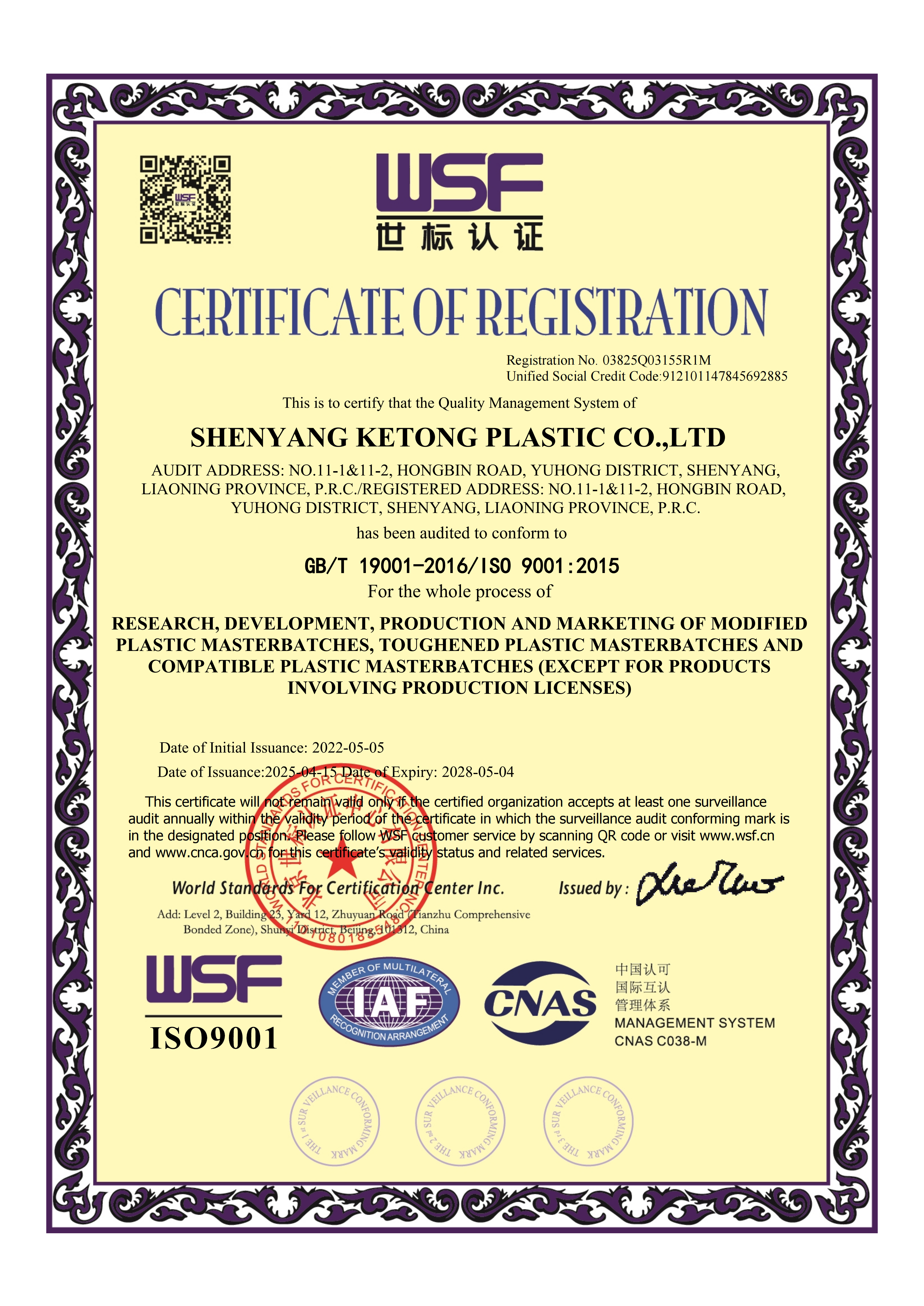
The dual standard reference is worth understanding. Chinese-issued certificates commonly cite both the national GB/T standard and the corresponding ISO standard, because the two texts are aligned. For a European or North American buyer, that dual citation is the bridge that makes a locally issued certificate readable in an international supplier-approval file — but it still verifies a management system, not a product.
The scope line is the part reviewers most often skip. KETONG's ISO 9001:2015 scope covers the whole process of research, development, production and marketing of modified plastic masterbatches, toughened plastic masterbatches and compatible plastic masterbatches, with a stated exclusion for products involving production licenses. A scope worded around masterbatches and granules tells you which activities were audited; it does not tell you that every grade in the catalogue was tested for a regulated end use.
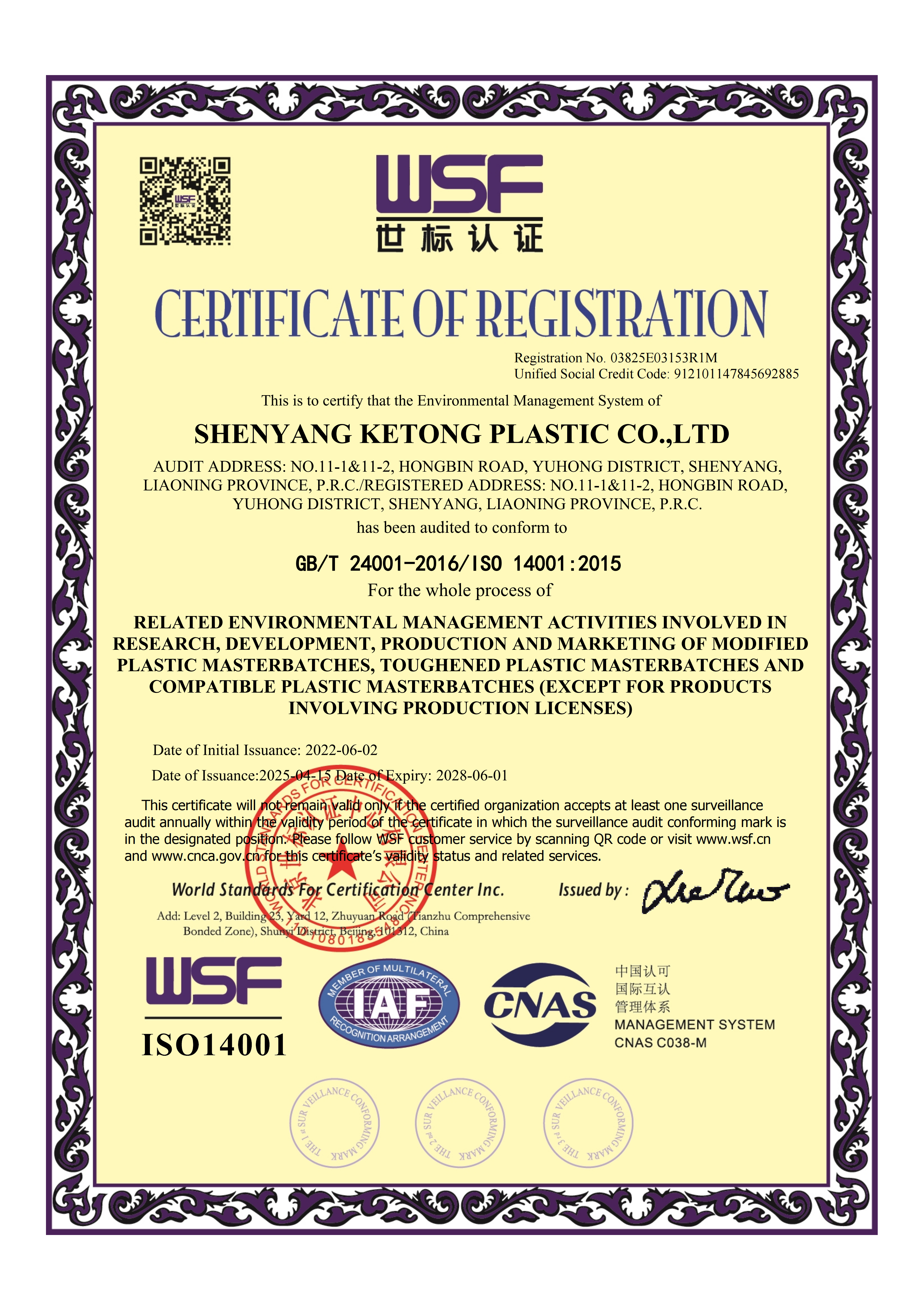
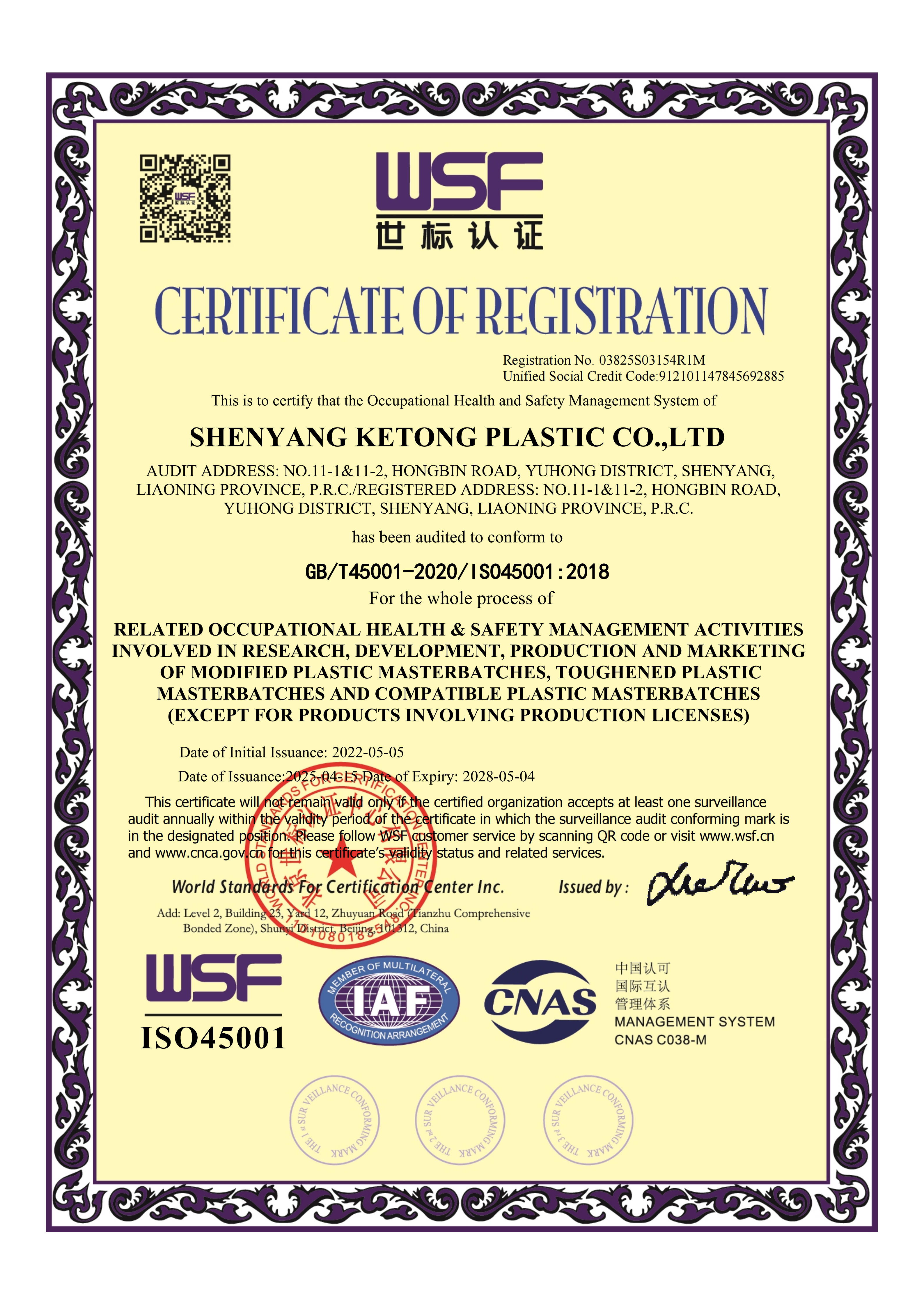
Three checks belong in every review of a management-system certificate:
- Scope wording against your product. Confirm the audited activities cover the product type you are buying, and read any exclusion clause literally.
- Validity window and issuing body. Record the issue and expiry dates in your supplier file and set a re-verification reminder before expiry. Verify that the issuing body is a recognised certification body rather than accepting the logo at face value.
- Legal entity and site. A group with more than one legal entity or plant needs the certificate matched to the entity that will invoice you and the site that will produce your lot. KETONG operates two Shenyang sites — Shenyang Ketong Plastic Co., Ltd. and Shenyang Ketong New Materials Co., Ltd., the second completed in 2023 — so this is a live question rather than a theoretical one.

Layer 2: reading the product file — TDS, SDS and batch CoA
The technical data sheet is the document most often accepted without scrutiny and the one that most often hides a mismatch. For MAH-grafted polymers, five fields carry the compliance weight.
- Functional monomer and level. MAH content should be stated as a range with a basis. KETONG's catalogue uses two bands — medium at 0.4–0.8% and high at above 0.8% — which lets a buyer separate grades without assuming interchangeability.
- Melt flow rate together with the test condition. An MFR value without its temperature and load cannot be compared, verified or matched to a CoA.
- Density. A basic identity check that also flags a wrong grade in a shipment.
- Backbone or carrier polymer. PP-g-MAH, PE-g-MAH, POE-g-MAH, ABS-g-MAH, SEBS-g-MAH, EVA-g-MAH and PBAT-g-MAH are not substitutes for each other.
- Recommended dosage range. A process window, not a compliance fact — but an out-of-range addition rate is a common cause of failed incoming trials.
| Grade | Family / backbone | Functional level | MFR (condition) | Density (g/cm³) | Typical dosage |
|---|---|---|---|---|---|
| KT-1H | PP compatibilizer (MAH-g-PP) | MAH high, above 0.8% | 60–100 g/10min (190°C/2.16kg) | 0.90–0.92 | Adjust as required |
| LEP-1K | Low-odor PP compatibilizer (MAH-g-PP) | MAH high, above 0.8% | ≥60 g/10min (190°C/2.16kg) | 0.90–0.92 | Adjust as required |
| KT-2M | ABS compatibilizer | Multi-component copolymer | 20–40 g/10min (265°C/10kg) | 1.05–1.09 | Adjust as required |
| KT-2628C | EVA compatibilizer (MAH-g-EVA) | MAH high, above 0.8% | ≤1.5 g/10min (190°C/2.16kg) | 0.94–0.96 | 5–10% |
| KT-915K | Nylon toughener (POE-g-MAH) | MAH medium, 0.4–0.8% | ≥0.2 g/10min (190°C/2.16kg) | 0.86–0.88 | 3–25% |
| KT-9015 | Nylon toughener (POE-g-MAH) | MAH high, above 0.8% | 4.0–9.0 g/10min (190°C/2.16kg) | 0.89–0.92 | 3–25% |
| KT-NJP7103 | Adhesive resin (MAH-g-PE) | MAH medium, 0.4–0.8% | 1.0–3.0 g/10min (190°C/2.16kg) | 0.90–0.93 | Appropriate to use |
| KT-28A | POM toughener (acrylate elastomer) | Not MAH-functional | Not stated on the sheet | 1.12–1.17 | 5–10% |
| KT-22 | Polyester toughener (ethylene-acrylate-GMA) | GMA high, above 0.8% | 1.5–4.0 g/10min (190°C/2.16kg) | 0.92–0.97 | 3–20% |
Two rows in that table are deliberately instructive. KT-2M is measured at 265°C/10kg rather than the 190°C/2.16kg used for the polyolefin grades; comparing its flow value against a PP-g-MAH figure would be meaningless, and a TDS that omitted the condition would make the error easy. KT-22 is a GMA-functional polyester toughener, not an MAH-grafted polymer. That distinction matters beyond semantics: the functional monomer determines which substance appears in the safety data sheet and which registration or declaration discussion applies, so a buyer who assumes every toughener in a catalogue is MAH-based can file the wrong document.
The batch certificate of analysis is the only document that ties a delivered lot to a specification. A TDS describes what a grade is designed to be; a CoA describes what the drums in front of you actually contain. Ask for the CoA against the same parameters and test methods used in the TDS, and check that the shipped batch number matches the packing list. KETONG's stated quality-control method is random sampling inspection, which is a process statement — the CoA is the evidence that follows it.
Storage and shelf life belong in the same folder because they affect whether the delivered material still matches its declaration. KETONG's stated shelf life is one year when unopened with intact packaging, and three months after opening, provided no contamination or moisture absorption occurs. A declaration issued at shipment date is not evidence about a drum opened eight months later.
Layer 3: mapping documentation to destination markets
Layer 3 is where a supplier cannot lead, because only the buyer knows the destination market and the end article. The workable method is a document matrix: rows are the grades you intend to buy, columns are the markets you ship to, and each cell lists the documents that must exist before that combination is approved.
- European Union. Chemical-registration and restricted-substance frameworks, electrical and electronic restrictions where the article falls in scope, and food-contact rules where the polymer touches food. Each of these is a separate question with a separate answer document.
- North America. Requirements are typically driven by the customer and the end article rather than by a single market-entry certificate; food-contact and automotive declarations are usually requested directly by the converter or brand owner.
- China. Management-system certification is commonly issued against GB/T standards aligned with the corresponding ISO texts, and safety data sheets are normally expected in the domestic format and language.
- Other export markets. Requirements frequently mirror EU or US expectations through the customer's own specification. Treat a mirrored requirement as a real requirement, not a formality.
A practical rule keeps the matrix honest: the end use, not the product name, decides which declarations are needed. A PP-g-MAH compatibilizer sold into a glass-fibre reinforced polypropylene for an automotive interior carries a different document set from the same grade sold into an industrial crate. Where a low-odor or low-VOC claim is made, the supporting test report belongs in that cell — KETONG's documented glass-fibre reinforced PP case, for example, records low VOC emission and enhanced aging resistance alongside improved impact resistance, and those claims are only usable if the underlying report is in the file.
A seven-step documentation review workflow
- Define the end use before requesting documents. Write down the polymer system, the finished article, the destination market and any regulated contact (food, drinking water, electrical, automotive interior). This single paragraph determines the entire request list.
- Request the pack in one message. Layer 1 certificates, TDS for each candidate grade, SDS in the destination-market format, a sample CoA, and Layer 3 statements for the defined end use. A supplier who answers partially on the first pass will usually answer partially on the fifth.
- Verify entity, site and scope. Match the certificate holder to the contracting entity and the producing plant, then read the scope line against the product you are buying.
- Check dates and issuing bodies. Record issue and expiry for every certificate and set a re-verification reminder. All three KETONG management-system certificates run to 2028, which is comfortable today but must not be assumed indefinitely.
- Cross-check the technical documents against each other. Functional level, MFR and its condition, and density should agree across TDS, SDS and CoA. Disagreement is a process signal, not a clerical detail.
- Confirm the physical conditions. Packaging, shelf life, storage and transport conditions belong in the file because they determine whether the declared material is still the delivered material at the point of use.
- Close the loop with a trial. Documentation narrows the shortlist; it does not qualify a grade for your process. Run your own trial and keep the result next to the document pack.
What different buyers actually request: four application patterns
Glass-fibre reinforced polypropylene. A compounder needs the compatibilizer's functional level, MFR, dosage window and, for interior work, odor and emission data. KETONG's documented case for its LEP-1K and LEP-1B low-odor PP compatibilizers records a 22-ton, one-year supply into glass-fibre and mineral-filled polypropylene with low VOC emission, enhanced aging resistance and improved impact resistance. A parallel case for the KT-1 series records a 20-ton supply into glass-fibre reinforced PP.
Reinforced and toughened nylon. The document weight shifts toward low-temperature impact data and the toughener's backbone identity. KETONG's KT-916K case records a 20-ton, one-year supply for reinforced and toughened nylon, with stable performance described as low-temperature resistant down to −50°C.
Multi-layer barrier film for food packaging. Here the file must connect the adhesive resin to the film's safety requirement, not only to its bond strength. KETONG's KT-NJP2201 case records a 21-ton, one-year supply as the adhesive layer in multi-layer co-extrusion barrier film, with stable adhesion in the co-extrusion process, good adhesion to EVOH and PA, fewer gel spots, good transparency, and stated conformity with the film's barrier and food-packaging safety requirements.
TPE overmolding onto nylon. Buyers in this application typically want adhesion test data, the specific backbone behind the compatibilizer — PP-g-MAH, POE-g-MAH, SEBS-g-MAH or EPDM-g-MAH behave differently at the interface — and a safety data sheet consistent with the grade actually quoted. KETONG's published range covers PP-g-MAH, PE-g-MAH, POE-g-MAH, SEBS-g-MAH, ABS-g-MAH and PBAT-g-MAH, so the request should name the grade rather than the category.
These are documented customer applications, not regulatory approvals. A case record shows that a grade performed in one customer's process and met that customer's stated requirement; it does not extend a food-contact, automotive or electrical approval to another grade or another end article.
Where the document file stops: limitations to state openly
- No certificate proves performance in your compound. Management-system certification and product data narrow the field; only a trial on your equipment answers the processing question.
- Certificates expire. KETONG's current set runs to May and June 2028. A file that is compliant at supplier approval is not automatically compliant three years later.
- Case results are conditional. Each documented case above names one application, one quantity and one supply duration. Results should not be read as a general performance promise.
- Declarations are grade- and use-specific. A statement issued for one grade, market and end use cannot be carried across to another without written confirmation.
- Public data at grade level is limited. Buyers should expect to build the evidence file through direct document exchange rather than through a public database lookup.
How KETONG supports the verification process
KETONG (Shenyang Ketong New Materials Co., Ltd.) is a Shenyang-based manufacturer of functional polymer materials founded in 2003, with a 30,000 m² production area, 130 employees, eight R&D engineers and a stated annual output of 60,000 tons, serving export markets in Southeast Asia, North America, Europe, the Middle East and Mexico. For compliance work, the relevant operational facts are that quality control is carried out by random sampling inspection, monthly capacity is stated at 5,000–6,000 tons, MOQ is customizable on demand, production is scheduled against demand, and quality-related issues are covered by a return, replacement and refund policy. Customization covers product formula and additive performance — including flame retardancy, toughening, anti-oxidation, reinforcement and weather resistance — under OEM, ODM, OBM, EMS, CMT and JDM models, which matters when a buyer needs a grade defined against a specific end-use requirement rather than selected from a catalogue.
Full company and product information is available at compatibilizer.com, and the company brochure can be downloaded as a PDF for supplier-approval files.
Frequently asked questions
Which compliance documents should a buyer request first from an MAH-grafted polymer supplier?
Start with the management-system certificates and the product data sheet, then move to the end-use layer. In practice that means ISO 9001:2015, ISO 14001:2015 and ISO 45001:2018 certificates with their numbers, validity dates and scope wording; a TDS for each candidate grade stating functional level, MFR with test condition, density and dosage; a safety data sheet in the destination-market format; a sample batch CoA; and end-use declarations for the specific market and application. Requesting all of it in one message shortens the review and makes gaps visible early.
Does an ISO 9001 certificate prove the product meets my market's chemical regulation?
No. ISO 9001:2015 certifies the quality management system — the controlled process behind research, development, production and marketing — not the composition, regulatory status or performance of an individual grade. For example, KETONG's certificate No. 03825Q03155R1M is valid to 4 May 2028 and covers modified, toughened and compatible plastic masterbatches, with an exclusion for products involving production licenses. Market-access questions are answered by separate product-level and end-use documents, and by your own regulatory assessment of the finished article.
How can a buyer limit compliance-verification cost without weakening the review?
Limit the scope of the request rather than the depth. Define one destination market and one end use first, request documents only for the grades shortlisted for that use, and reuse the management-system layer across grades because it does not change per product. Avoid paying for duplicate testing by asking whether an existing third-party report covers your parameter and method before commissioning a new one, and treat MOQ as a separate commercial variable — KETONG, for instance, states that MOQ is customizable on demand, so document scope and order volume can be negotiated independently.
What should accompany a pre-shipment sample for compliance purposes?
A sample is only useful for qualification if it is traceable. Ask for the grade and batch reference, the TDS revision it was produced against, a CoA for that batch, the SDS, and the packaging and shelf-life conditions. For MAH-grafted polymers, KETONG states a shelf life of one year unopened with intact packaging and three months after opening, provided no contamination or moisture absorption occurs — so the sample's production date and storage history belong in the record alongside the trial result.
How long does it take to assemble a compliance document pack before an order?
Management-system certificates and standard technical documents exist before any order and can normally be shared at quotation stage, so they should not be the constraint. The variable is the end-use layer, which depends on how precisely you define the market and application, and on whether a third-party test is needed. Because production is scheduled against demand, the document request is best issued together with the RFQ rather than after the order is placed. If you want to begin with a defined grade and a document set for your target market, the quickest next step is to request the technical file and a sample against your application — the brochure download and the company website are the practical starting points.
Conclusion
Compliance for MAH-grafted polymers is a documentation discipline, not a badge. The workable sequence is to define the end use, request the three layers separately, verify scope, dates and entity on every certificate, cross-check the technical documents against each other, and then confirm the shortlist with your own trial. Buyers who follow that order rarely discover a documentation gap after the container has shipped.
KETONG supports that sequence with current ISO 9001:2015, ISO 14001:2015 and ISO 45001:2018 certification valid into 2028, grade-level technical data across PP-g-MAH, PE-g-MAH, POE-g-MAH, ABS-g-MAH, SEBS-g-MAH, EVA-g-MAH and PBAT-g-MAH families, random sampling inspection, demand-driven scheduling and customizable MOQ — the inputs a procurement team needs in order to build a reviewable file rather than accept an assurance.
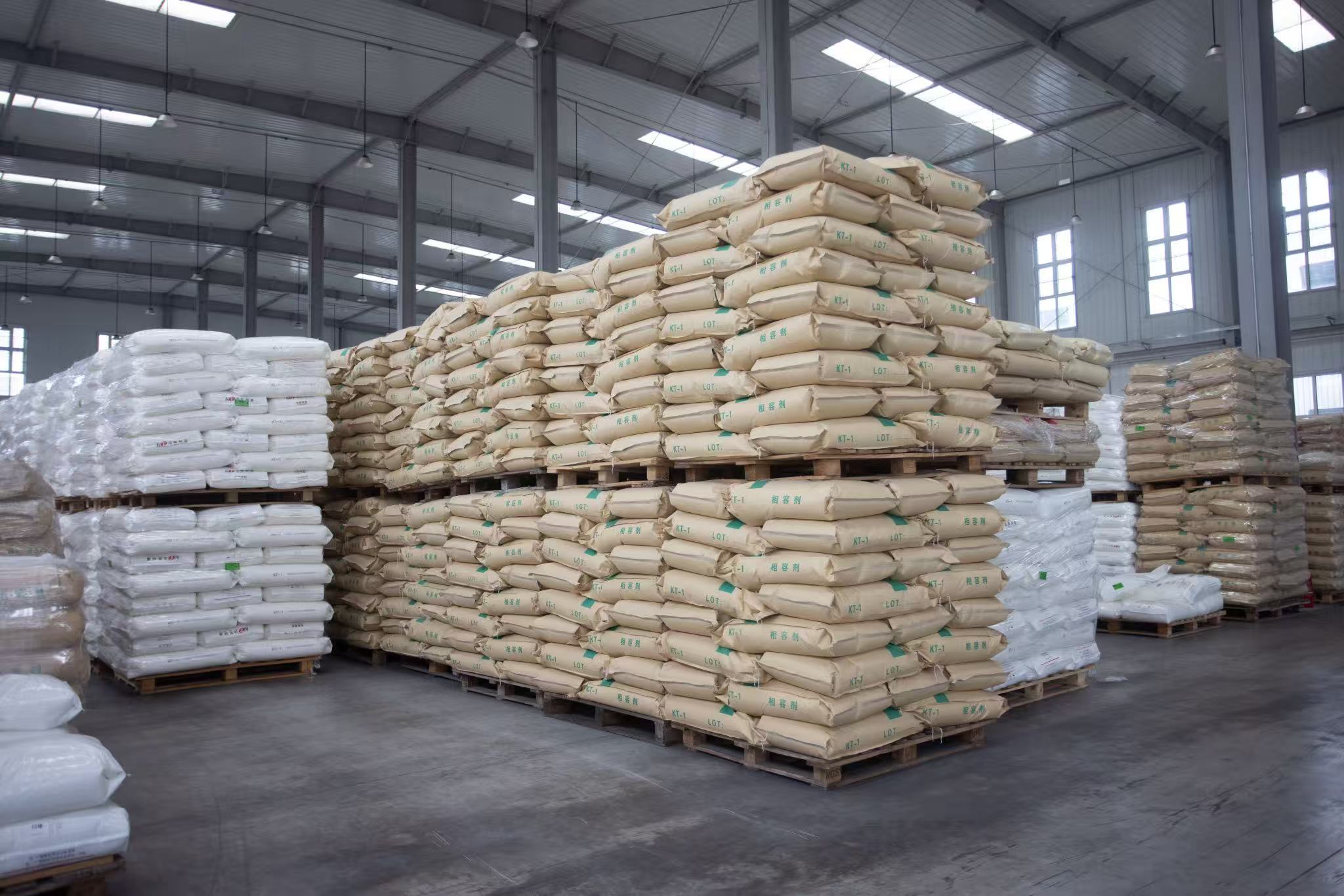
For supplier-approval documentation, grade-level technical files and sample requests, download the KETONG company and product brochure (PDF).
Have Questions or Need More Details?
Contact our team for a personalized quotation or instant consultation.
Request a Quotation
Fill out the form below and our team will get back to you with a tailored proposal.
WhatsApp Direct Chat
Prefer to chat in real-time? Message us on WhatsApp for instant assistance & quick answers.
- Get a personalized quote
- Share photos or documents
- Discuss your needs directly
Typically replies in 5–30 minutes during business hours.