
Improving Metal-Plastic Bonding in Automotive Overmolding with MA-Grafted Adhesives
An application guide for automotive tier suppliers, TPE compounders and procurement teams
Overmolding a thermoplastic elastomer (TPE) directly onto a metal insert is one of the most demanding joints in automotive production. The finished component must hold its bond through years of thermal cycling, vibration, humidity, road salt and cleaning fluids — and in many designs the metal–plastic interface is also the sealing surface, which means a partial loss of adhesion becomes a leak rather than a cosmetic defect.
Maleic anhydride (MAH) grafted adhesive resins and compatibilizers are the most widely used route to a durable metal–TPE bond. They work as a chemical bridge: the maleic anhydride groups anchor to oxidized metal surfaces and to polar polymer phases, while the polyolefin backbone of the same molecule co-crystallizes and entangles with the elastomer matrix. The result is an interface that behaves more like a continuous, graded material than a mechanical interlock.
This guide is written for automotive tier suppliers, TPE compounders and the procurement teams supporting them. It explains why metal–TPE joints delaminate, how MA-grafted grades address those mechanisms, how to implement them step by step in series production, where they are already used in vehicles, and which commercial terms to confirm before a grade is released.
The Bonding Problem: Why Metal and TPE Separate
A metal–plastic joint can fail in three distinguishable ways, and the failure mode tells you which part of the system to change:
- Adhesive failure at the metal face. The elastomer peels cleanly away from the metal, leaving a bright or stained surface. This indicates missing or insufficient interfacial chemistry.
- Cohesive failure in the elastomer. The TPE tears while the interface stays intact. Adhesion is adequate; the matrix may need toughening instead.
- Progressive failure after ageing. The part passes initial pull-out testing but degrades after thermal cycling or media exposure — usually a stress-driven mechanism rather than a purely chemical one.
Four mechanisms explain most adhesive failures in automotive overmolding:
- Polarity mismatch. Polyolefin-based TPEs are non-polar, while steel, aluminium and their oxide layers are polar and hydrophilic. Without a compatibilizing molecule, there is little driving force for the elastomer to wet and bond to the metal.
- Thermal expansion mismatch. Metal expands far less than TPE over the same temperature change, so repeated hot–cold cycles apply shear stress directly to the interface. Any weak boundary layer fails first.
- Surface contamination. Mold release agents, machining oils, fingerprints and loosely bonded oxide or scale create a weak boundary layer. No adhesive resin compensates for a contaminated substrate.
- Process window problems. Adhesion requires the grafted polymer to reach the interface while the melt is still mobile and to remain there during packing and cooling. Short injection times, low insert temperature or excessive moisture in the resin all reduce the achievable bond.
None of these mechanisms is fixed by testing the part harder. The corrective action is normally one of four changes: modify the interface chemistry by adding an MA-grafted adhesive resin, correct the surface state through cleaning and surface preparation, toughen the matrix with a toughening agent, or widen the process window — and in many real cases, several of these at once.
Industry Background: Why Metal-to-Elastomer Joints Keep Growing
The adhesives used in these joints sit inside a large and still-expanding chemistry market. The global maleic anhydride market reached USD 4.39 billion in 2023 and is projected to reach USD 5.86 billion by 2030, with Asia Pacific holding a 52.1% revenue share in 2023 and China expected to grow at a CAGR of 5.4% through 2030 (Grand View Research). The narrower maleic anhydride graft polymer market is projected at USD 1.42 billion in 2026 and USD 2.16 billion by 2035, a CAGR of 4.7% (Business Research Insights), while the grafted polyethylene segment alone was estimated at USD 1.24 billion in 2024 against USD 2.08 billion by 2033 (Dataintelo).
Automotive is one of the demand centres behind those numbers. Automotive applications represent 42% of total demand for polyolefin elastomers (POE), a polymer family frequently grafted with MAH for toughening and adhesion (ChemAnalyst). Three design trends drive that concentration: part consolidation, where several metal parts and fasteners are replaced by one hybrid overmoulded component; lightweighting, where metal carriers are combined with elastomer sealing surfaces; and electrification, where battery pack sealing and thermal-management parts make elastomer-to-metal joints safety-relevant rather than decorative.
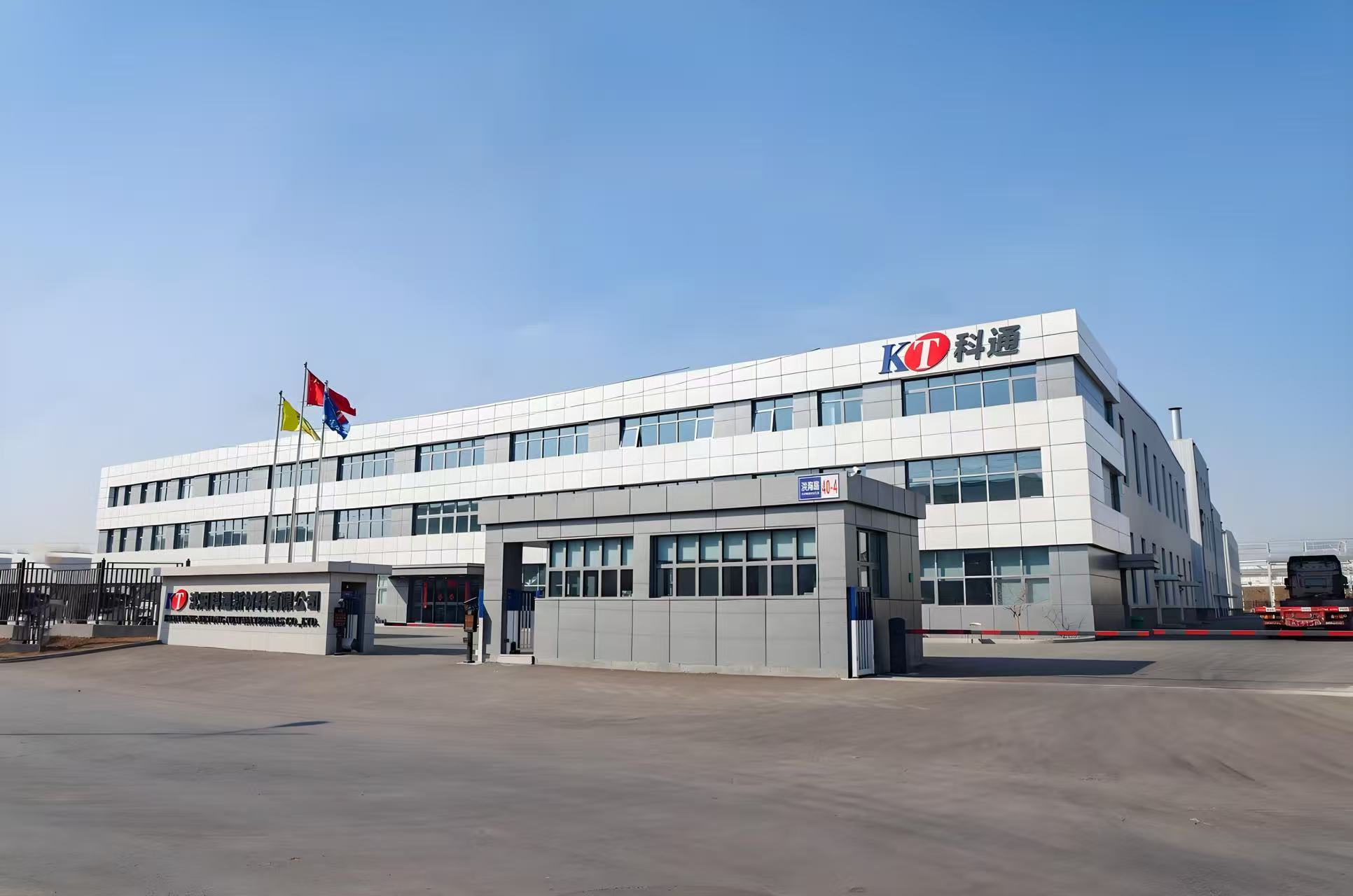
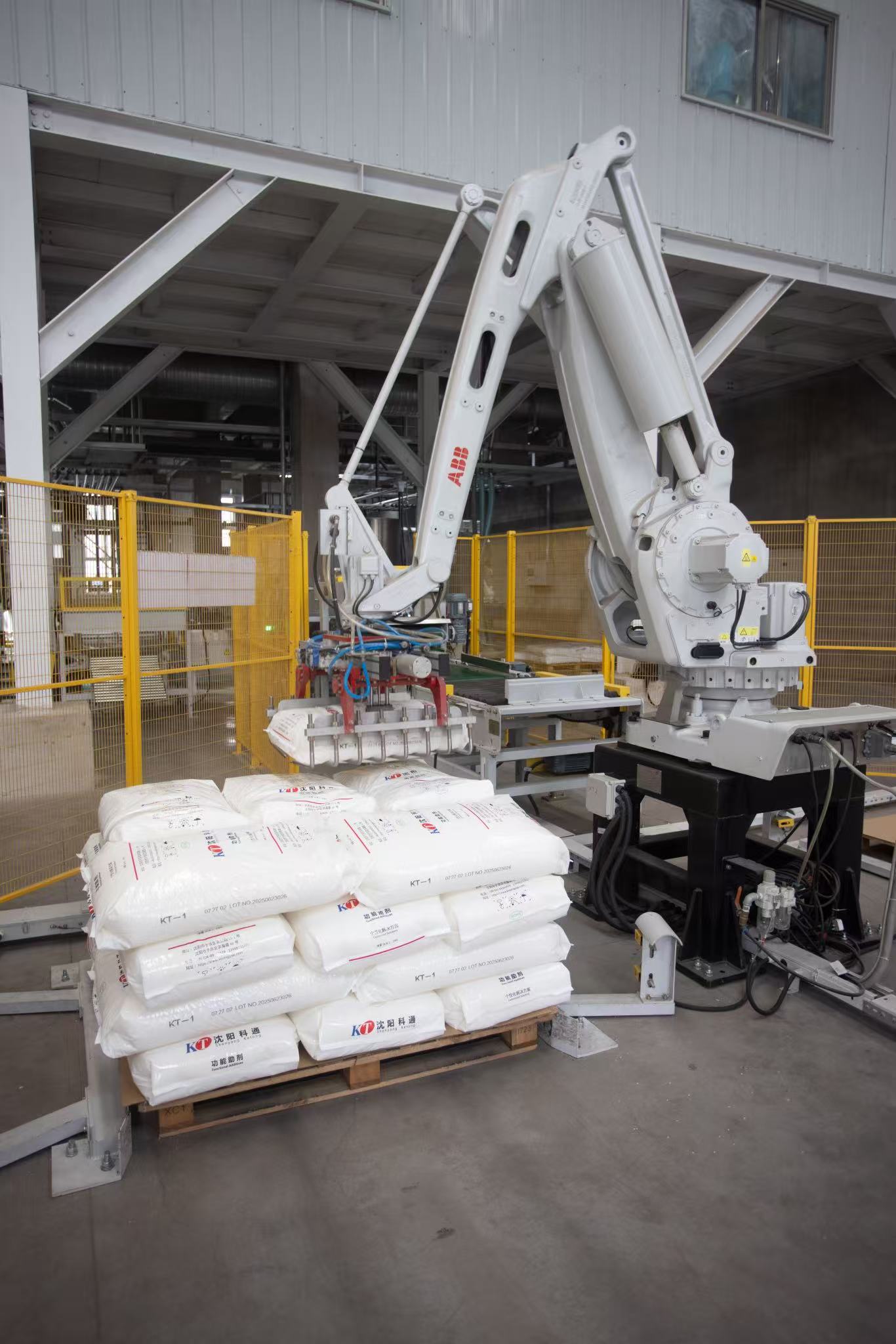
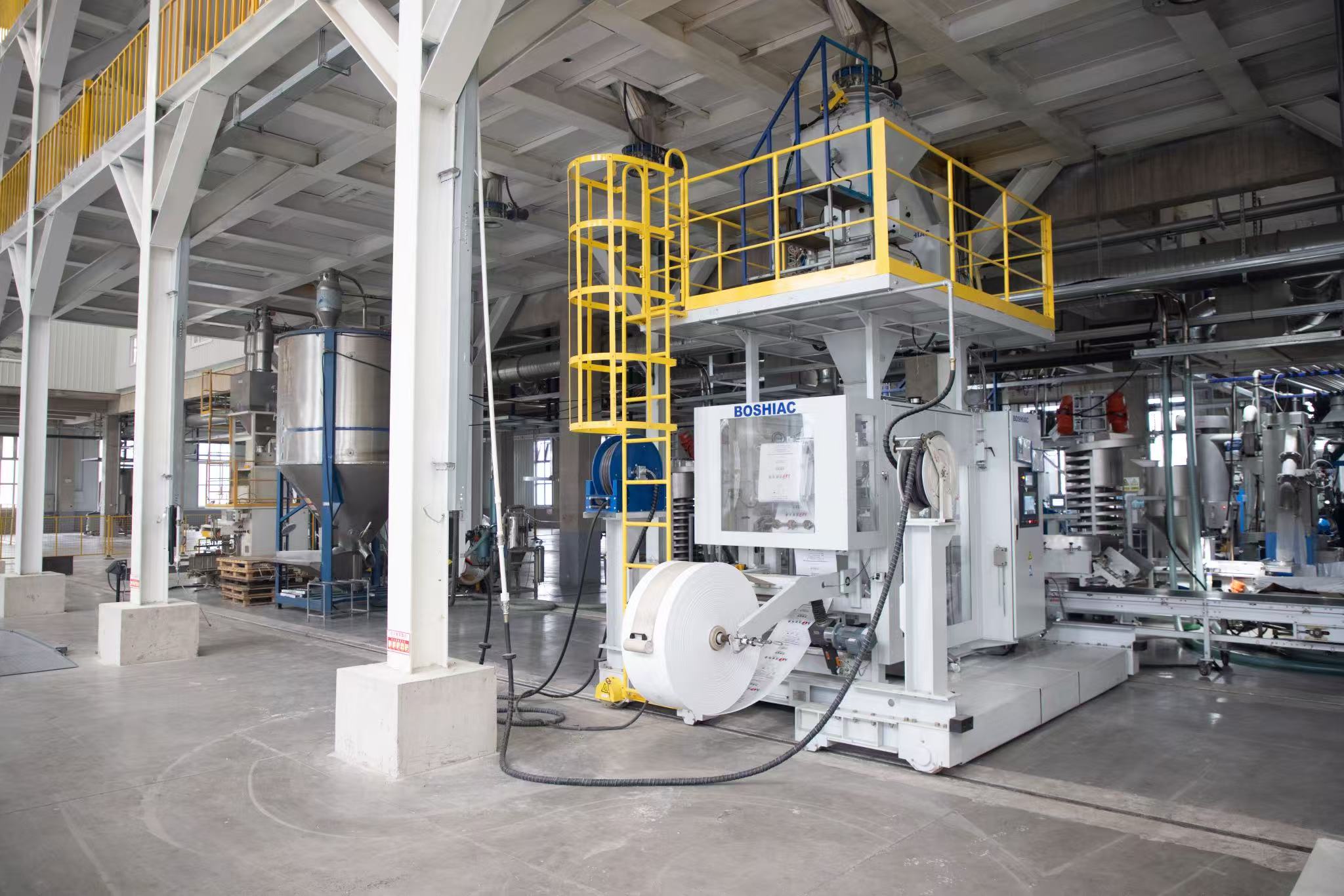
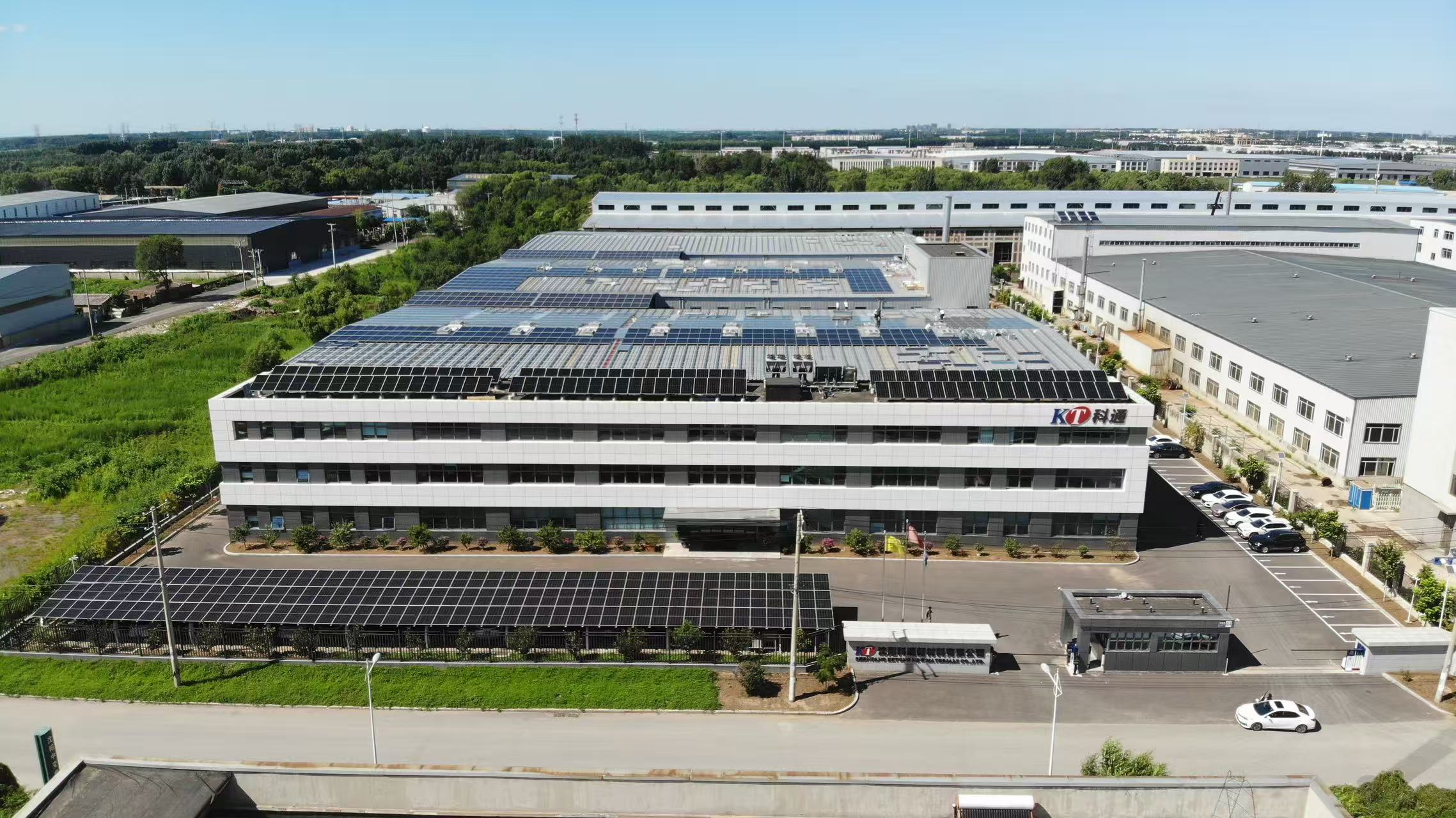
Shenyang Ketong New Materials Co., Ltd. (KETONG) is a China-based manufacturer of functional polymer materials — polymer compatibilizers, toughening agents and functional adhesive resins — founded in 2003 and operating a 30,000 m² production base with more than ten imported production lines, plus a second facility completed in Shenyang, Liaoning in 2023. Its materials are used in modified plastics for automotive, home appliance, new energy, construction and precision injection applications, where the target functions include toughening, flame retardancy, reinforcement, weather resistance, wear resistance and improved processing fluidity.
The Solution: MA-Grafted Adhesive Resins as an Interfacial Bridge
A durable metal–TPE bond in overmolding is normally achieved by placing a maleic anhydride grafted polymer at the interface — either as a discrete tie layer, as a dry blend with the elastomer, or compounded directly into the TPE formulation. The grafted polymer is the only component in the system that is chemically compatible with both sides of the joint.
How the anhydride bridge works
An MAH-grafted resin combines two functions in one molecule: a polyolefin backbone (PP, PE, POE, EPDM, SEBS, ABS, PPO or EVA depending on the grade) that is compatible with and can co-crystallize with the TPE matrix, and grafted maleic anhydride groups that are polar and are understood to react with hydroxyl and oxide groups on metal surfaces and with functional groups in polar polymers such as polyamide.
Because the same molecule participates in both phases, the interface stops behaving as a boundary and starts behaving as a graded transition zone. In practice this is observed as a shift from adhesive failure toward cohesive failure in peel and pull-out testing, together with better retention of bond strength after thermal cycling.
Matching the grade family to the overmolding system
The correct family is determined by the elastomer matrix, the metal or polar substrate, and the required end-use properties. Table 1 summarises the families KETONG supplies and where each is typically applied.
| Grade family | Product type | Typical overmolding role |
|---|---|---|
| PP-g-MAH | PP compatibilizer / PP adhesive resin | Polypropylene- and TPO-based TPEs; general-purpose tie layer for overmolding onto polar substrates and metal inserts |
| PE-g-MAH | PE compatibilizer / PE adhesive resin | Polyethylene-based elastomers and PE extrusion systems, where ASTM D1248 is a common reference standard |
| POE-g-MAH | Nylon toughening agent / compatibilizer | Polyamide and PA/TPE hybrid systems that need impact performance and interfacial adhesion at the same time |
| EPDM-g-MAH | Toughening agent / compatibilizer | EPDM-modified TPE compounds where impact strength is the binding constraint |
| SEBS-g-MAH | SEBS compatibilizer | Styrenic SEBS-based TPEs overmoulded onto polar substrates |
| ABS-g-MAH and low-odour ABS-g-MAH | ABS compatibilizer / ABS toughening agent | ABS-based parts and inserts; low-odour grades for interior components with odour and VOC limits |
| PPO-g-MAH | PPO compatibilizer | PPO/PPE blends and insert bonding where heat resistance and dimensional stability matter |
| EVA-g-MAH | EVA compatibilizer | Formulations containing EVA as the flexible phase |
| POM / PC / polyester toughening agents | Toughening agents | Engineering-plastic parts where the joint holds but the part itself fractures |
| PBAT-g-MAH | Biodegradable compatibilizer | Compostable and biodegradable polymer systems outside the automotive scope |
Adhesive resin, compatibilizer or toughening agent?
KETONG’s portfolio is organised into three product families — toughening agents, compatibilizers and functional adhesive resins — and the choice follows from the observed failure mode rather than from a general preference:
- Adhesive resin when failure is interfacial: the elastomer separates from the metal or polar substrate with little residue left behind.
- Compatibilizer when two immiscible polymer phases must be tied together, or when a polar polymer has to be dispersed in a polyolefin matrix.
- Toughening agent when the bond survives but the elastomer or the engineering-plastic part cracks.
The distinction matters commercially as well as technically. Using a toughening agent to solve an interfacial problem adds cost without improving adhesion, while using an adhesive resin to solve an impact problem will not raise matrix toughness. In KETONG’s product comparison work, some individual products can boost impact performance by 3%–5%, which is a matrix-toughness effect rather than an adhesion effect.
Low-odour grades for interior parts
Interior components move the binding constraint from chemistry to emissions. Low-odour PP-g-MAH and ABS-g-MAH grades are specified for parts where odour, fogging and volatile organic compound limits form part of the acceptance criteria. From a processing standpoint the objective is the same as for adhesion — a clean, consistent polymer — but the delivered performance is measured against interior air-quality specifications instead of pull-out force.
Step-by-Step Breakdown: Implementing MA-Grafted Bonding in Series Production
The sequence below reflects the order in which decisions actually lock in. Changing an early decision later — for example the substrate pair or the surface preparation — invalidates the validation work that follows.
- Define the joint before defining the resin. Document the substrate pair (which metal, which elastomer), the load case (static or cyclic), the temperature cycle profile, the media the part will see, and the required end-of-life bond strength. A tie layer cannot be selected from a general grade list without this input.
- Characterise both surfaces. Confirm the metal surface condition: oxide type and thickness, residual oils or release agents, and whether passivation or a coating is applied. Surface state, not resin selection, causes a large share of adhesion problems.
- Select the grade family from the substrate pair. Use Table 1 as the starting point, then confirm compatibility with the specific TPE formulation rather than with the generic polymer class only.
- Choose the delivery format. A discrete tie layer gives the most direct control over interfacial chemistry; a dry blend alongside the TPE is simpler to trial; compounding the grafted polymer into the TPE formulation removes a process step but limits the achievable interfacial concentration.
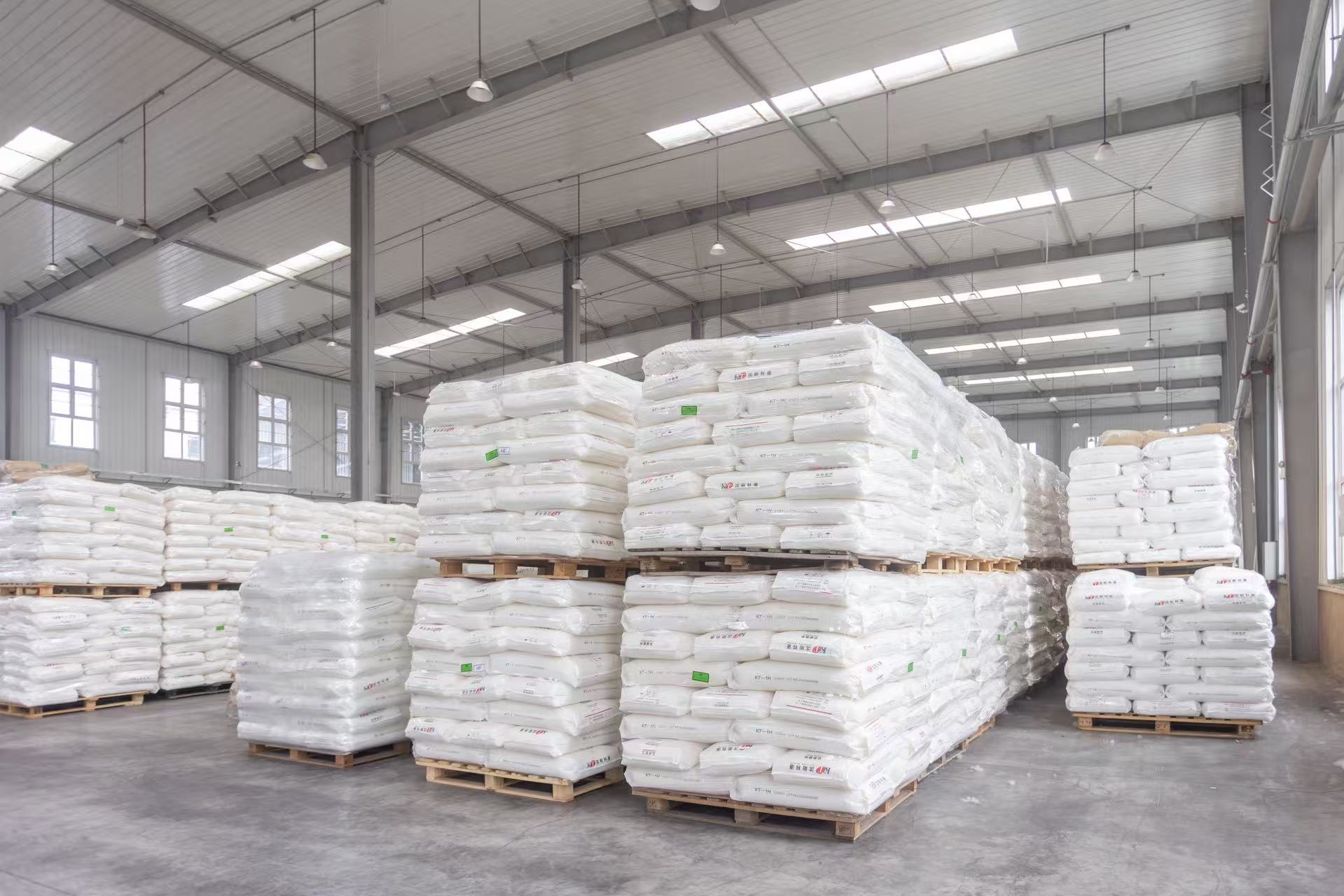
- Control moisture before processing. Grafted polymers are moisture sensitive. Drying discipline and sealed storage protect both appearance and adhesion; KETONG applies sealed storage with FIFO rotation and continuous temperature and humidity monitoring with automatic over-limit alarms in its own warehouse operations.
- Engineer the interface inside the mould. Insert temperature, gate position, injection speed and packing profile determine how much grafted polymer reaches the interface and how much remains there. Inserts must be fixtured so that they do not shift while the melt fills.
- Validate against the real loading profile. Thermal cycling with periodic peel or pull-out checks detects progressive failure that a single room-temperature test misses. Include media exposure if the part sees fuels, oils or cleaning fluids.
- Lock the specification and the acceptance routine. Fix the grade, the dosing level, the drying window and the process parameters, then define acceptance — typically a Factory Acceptance Test performed against the agreed technical specification.
Automotive Use Cases
The following applications share one characteristic: the joint must remain functional for the life of the vehicle, so the bonding system is specified at the design stage rather than corrected during production.
- Battery pack seals and covers. Elastomer sealing elements overmoulded onto aluminium frames must tolerate thermal cycling during charge and discharge and stay sealed against water and dust over the pack lifetime.
- Under-hood sensor and connector housings. TPE overmoulded around brass or steel inserts faces elevated temperatures plus continuous vibration, which is a classic adhesive-failure environment.
- Vibration-damping mounts and bushings. Elastomer bonded to metal sleeves must carry cyclic shear loads, making cohesive failure the preferred — and measurable — outcome.
- Exterior sealing and trim carriers. Weatherstrip and sealing profiles overmoulded onto metal carriers are exposed to UV, ozone, road salt and repeated compression.
- Interior soft-touch components. Parts with metal reinforcement bonded inside a TPE skin are specified with low-odour grades where odour and VOC limits apply.
- Grommets, glands and cable management parts. TPE bodies bonded to metal reinforcement are judged on pull-out resistance, which makes the interface a safety-relevant feature rather than a cosmetic one.
Comparison: Failure Modes, Supplier Landscape and Commercial Terms
Failure modes and corrective actions
Most bonding complaints can be mapped to a small number of failure signatures. Table 2 pairs each signature with the likely root cause and the corrective action that addresses it.
| Symptom | Typical root cause | Corrective action |
|---|---|---|
| Clean separation at the metal face | No chemical bridge; contaminated or poorly prepared surface | Introduce an MA-grafted adhesive resin; review cleaning and surface preparation |
| Interfacial cracking after thermal cycling | Thermal expansion mismatch combined with marginal interfacial strength | Increase grafted polymer concentration at the interface; re-check the cycle profile |
| Tearing within the elastomer | Bond strength exceeds matrix toughness | Add a toughening agent suited to the matrix (POE-g-MAH, EPDM-g-MAH or ABS-g-MAH) |
| Odour or emission complaints on interior parts | Volatiles present in standard grades | Switch to low-odour PP-g-MAH or ABS-g-MAH grades |
| Batch-to-batch variation in bond strength | Incoming raw material variation and process drift | Incoming full inspection, closed-loop process control, online sampling with SPC, batch retention |
| Bubbles, voids or blisters at the interface | Moisture pick-up in the resin or humid storage conditions | Drying discipline; sealed storage with FIFO and monitored warehouse conditions |
The supplier landscape in 2026
Established multinational producers active in the MAH-grafted polymer market include Huntsman, Dow, LyondellBasell, Mitsui Chemicals and SK Functional Polymer (Mordor Intelligence). Buyers typically compare these suppliers with regional specialists on criteria that are not purely technical: response time to a customization request, minimum order flexibility, cost structure and the ability to schedule production against a build plan. In KETONG’s own comparative data, its products position at a cost difference of 10%–20% lower than domestic and foreign competitors, with reported benefits in stable processing, low defective rate, less downtime and lower cleaning frequency, and better overall energy efficiency with low production cost.
Commercial and supply terms to confirm before release
For long-term automotive programmes the commercial terms matter as much as the technical data sheet, because a grade change mid-programme invalidates the validation work. Table 3 lists the terms KETONG applies to these programmes.
| Item | Term |
|---|---|
| Monthly production capacity | 5,000–6,000 tons |
| Production scheduling | Executed based on demand |
| Minimum order quantity | Customizable / customer required quantity |
| Delivery terms | FOB, CIF |
| Acceptance criteria | Factory Acceptance Test per agreed technical specification |
| Payment terms | Payment before delivery |
| Supply continuity | At least two qualified alternative suppliers for core materials; long-term agreements locking price and quantity; safety stock maintained |
| Storage and handling | Sealed storage, FIFO rotation, temperature and humidity monitoring with automatic alarms |
Two further controls matter to automotive buyers. First, export compliance: destination-market certifications and customs classification are audited in advance, and the full export document set is checked to prevent clearance delays. Second, transport protection: moisture-proof packaging with clear transport markings, audited logistics providers with the required qualifications for the goods, cargo insurance and full track-and-trace.
Frequently Asked Questions
Which compliance requirements apply to MA-grafted adhesives used in automotive overmolding?
MAH-grafted polymers placed on the EU market are subject to REACH (EC 1907/2006) registration, and ASTM D1248 is a common reference standard for PE extrusion materials. KETONG’s compliance framework checks three layers: the regulation set of the destination market, the customer’s own material specification, and pre-shipment verification. Products are aligned with the environmental regulations of the export destination, including REACH, RoHS and FDA requirements; waste gas, waste water and solid waste treatment facilities operate under regular environmental monitoring; hazardous waste disposal is documented and traceable; and destination certifications, customs classification and the full export document set are audited in advance to avoid clearance delays. Finished goods are inspected against the customer’s customized specification, the applicable national standard or the destination standard before shipment, and each batch is retained with traceability records covering the product warranty period.
Can MA-grafted grades be customized for a specific metal and TPE combination?
Yes. KETONG develops and manufactures functional additives for modified plastics and provides customized supporting solutions rather than catalogue-only supply. The portfolio covers toughening agents, compatibilizers and functional adhesive resins across PP-g-MAH, PE-g-MAH, POE-g-MAH, EPDM-g-MAH, SEBS-g-MAH, ABS-g-MAH, PPO-g-MAH, EVA-g-MAH and related families — including low-odour variants for interior parts — so the grade can be matched to the substrate pair and to the required end-use properties. Customization is supported by closed-loop production control: double-check material feeding, real-time monitoring of reaction temperature, pressure and duration through a DCS system, online sampling with SPC statistical process control, and immediate isolation of abnormal batches. In product comparison work, some individual products can boost impact performance by 3%–5%.
How should buyers evaluate the cost of MA-grafted adhesive resins?
Cost should be assessed per validated part, not per kilogram of resin. Three cost components are usually underestimated: field failures caused by adhesive delamination, processing losses from unstable flow or moisture-related defects, and downtime for cleaning and changeover. In KETONG’s comparative data, the products position at a cost difference of 10%–20% lower than domestic and foreign competitors, with reported benefits in stable processing, a low defective rate, less downtime, lower cleaning frequency, better overall energy efficiency and low production cost. A grade that costs slightly more at the resin level but removes a rework operation is the cheaper option in most automotive programmes.
How can an engineering team validate a grade before series production?
Validation starts with a defined joint: substrate pair, load case, temperature cycle profile and target bond strength. KETONG supplies samples for trial runs against that definition, and the minimum order quantity is customizable, so a pilot quantity can be scheduled without committing to a full production batch. A practical validation sequence is to confirm the metal surface condition, run a trial with the candidate grade at target dosing, test peel or pull-out strength as produced, repeat the test after thermal cycling and after media exposure where applicable, and keep retention samples of each batch so the validated state can be reproduced later. Acceptance is then formalized as a Factory Acceptance Test performed against the agreed technical specification.
What are the MOQ, delivery terms and supply arrangements for long-term programmes?
For long-term programmes KETONG works with a customizable minimum order quantity (customer required quantity), delivery terms of FOB or CIF, and payment before delivery. Production scheduling is executed based on demand, supported by a monthly production capacity of 5,000–6,000 tons. To protect continuity, core raw materials are covered by at least two qualified alternative suppliers, long-term agreements that lock price and quantity, and safety stock. Warehouse storage is sealed with FIFO rotation under continuous temperature and humidity monitoring with automatic over-limit alarms. To start, send your substrate pair and cycle profile with a sample request, or download the product brochure at the end of this article.
Conclusion: Bonding Chemistry Plus Supply Discipline
Metal–plastic bonding in automotive overmolding fails for predictable reasons: polarity mismatch, thermal expansion mismatch, contaminated surfaces, and process windows that leave the interface without enough grafted polymer. MA-grafted adhesive resins and compatibilizers address those mechanisms by turning the interface into a graded transition zone, and the grade family should be selected from the substrate pair rather than from a general preference list.
The technical solution only holds if it is supported commercially. Moisture-controlled production, batch-level traceability, demand-based scheduling and a monthly capacity of 5,000–6,000 tons with customizable minimum order quantities are what allow a validated grade to stay validated through a vehicle programme. KETONG manufactures compatibilizers, toughening agents and functional adhesive resins for these applications from Shenyang, China, and supports customers in the automotive, home appliance, new energy, construction and precision injection industries.
Next step: sample, data sheet or quotation
Share your substrate pair (metal + elastomer), your temperature cycle profile and your target bond strength, and KETONG will recommend the appropriate MAH-grafted adhesive resin or compatibilizer family and arrange a sample for your validation run. You can also review the KETONG product brochure or visit compatibilizer.com for the full portfolio.
Have Questions or Need More Details?
Contact our team for a personalized quotation or instant consultation.
Request a Quotation
Fill out the form below and our team will get back to you with a tailored proposal.
WhatsApp Direct Chat
Prefer to chat in real-time? Message us on WhatsApp for instant assistance & quick answers.
- Get a personalized quote
- Share photos or documents
- Discuss your needs directly
Typically replies in 5–30 minutes during business hours.