
Beyond the Purchase Order: Long-Term Supply of Maleic Anhydride Grafted Polymers
How to Build a Long-Term Maleic Anhydride Grafted Polymer Supply Ecosystem
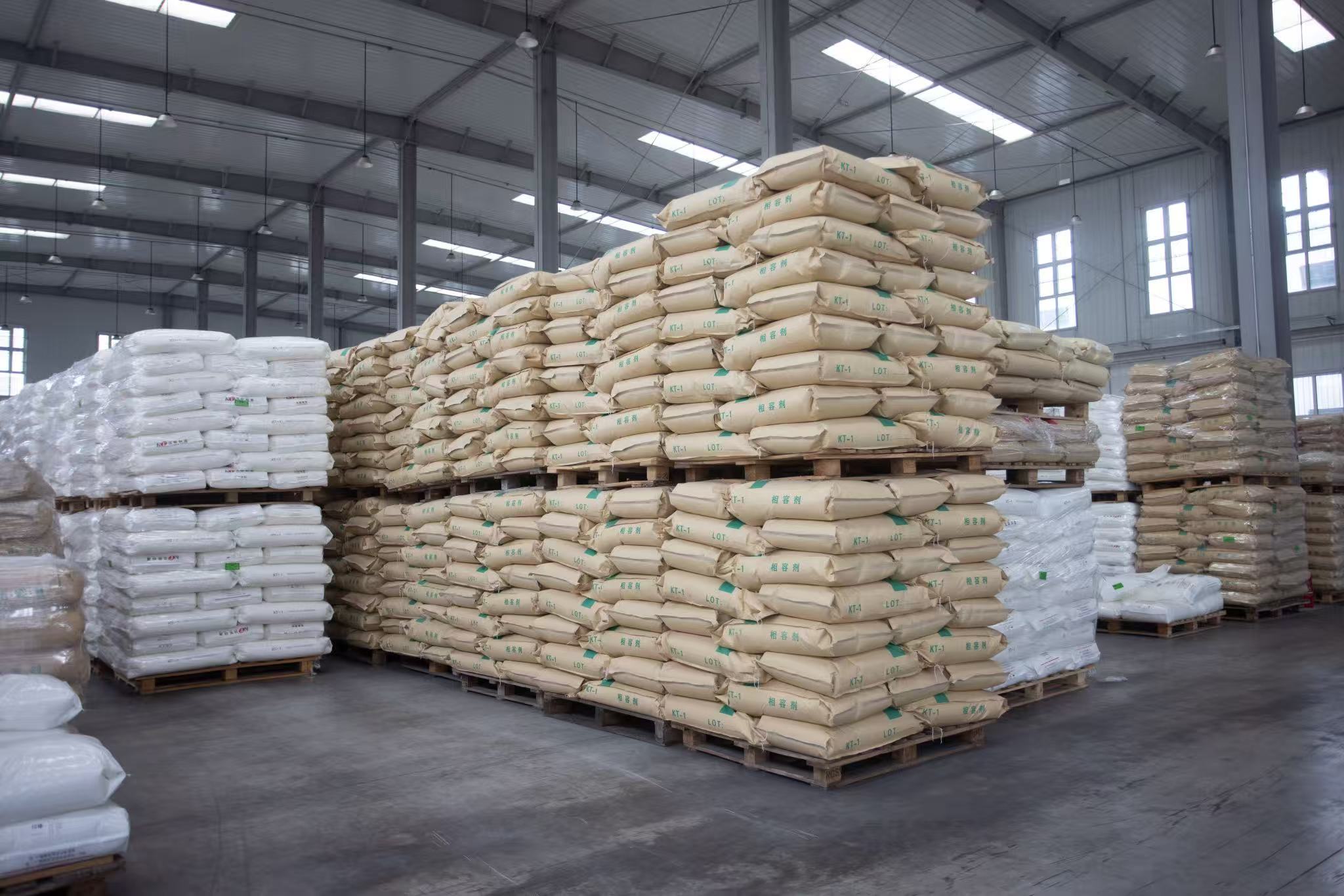
When supplier screening ends, a different kind of procurement problem begins. Buyers and distributors of maleic anhydride grafted polymers often know which grades they need, but they still need to answer a more execution-focused question: How can I secure consistent supply over several quarters or years without exposing my production line to capacity, scheduling, batch-quality, or compliance surprises?
This guide is for procurement managers, importers, distributors, and compounders that have already moved past initial supplier discovery. It focuses on the ecosystem around maleic anhydride grafted polymer supply: production capacity, demand-based scheduling, flexible order quantities, quality acceptance, compliance risk control, and the commercial framework that turns a one-time purchase into a dependable supplier relationship.
Why One-Time Supplier Qualification Is Not Enough
A single successful shipment does not validate a supplier for the next twelve months. Maleic anhydride grafted polymers are functional additives used in modified plastics, adhesive systems, and impact-modified compounds. They are purchased repeatedly, often in program-based volumes. If the supplier cannot maintain stable process output, respond to changing order patterns, or manage export documentation, the buyer pays the cost in downtime, reprocessing, defective finished parts, or customs delays.
Short-term purchasing creates several silent risks:
- Capacity is not verified before an urgent order arrives.
- Production scheduling is controlled entirely by the supplier, with no alignment to buyer demand.
- MOQ terms are rigid or hidden inside fine print.
- Batch acceptance is not defined before shipment.
- Export compliance is handled case by case instead of being engineered into the process.
- Quality deviations are discovered only after the polymer arrives at the compounding line.
A long-term supply relationship is therefore more than a repeated sales order. It is a shared operating framework that makes supply continuity predictable.
Maleic Anhydride Grafted Polymers: Market Context for Long-Term Purchasing
Maleic anhydride is the base monomer used to produce grafted functional polymers such as PP-g-MAH, PE-g-MAH, POE-g-MAH, ABS-g-MAH, SEBS-g-MAH, and similar compatibilizers, toughening agents, and adhesive resins. These materials help bond otherwise incompatible polymers, improve impact resistance, and create adhesion between layers in multi-material structures.
The global maleic anhydride grafted polymer market is projected at USD 1.42 billion in 2026 and is expected to reach USD 2.16 billion by 2035, with a CAGR of 4.7 percent, according to Business Research Insights. For context, the underlying maleic anhydride market was estimated at USD 4.39 billion in 2023 and is projected to reach USD 5.86 billion by 2030. Grand View Research also reports that Asia Pacific accounted for 52.1 percent of the maleic anhydride market in 2023, with China expected to grow at a CAGR of 5.4 percent through 2030. These figures help explain why progressive buyers are moving from spot transactions to structured supply relationships.
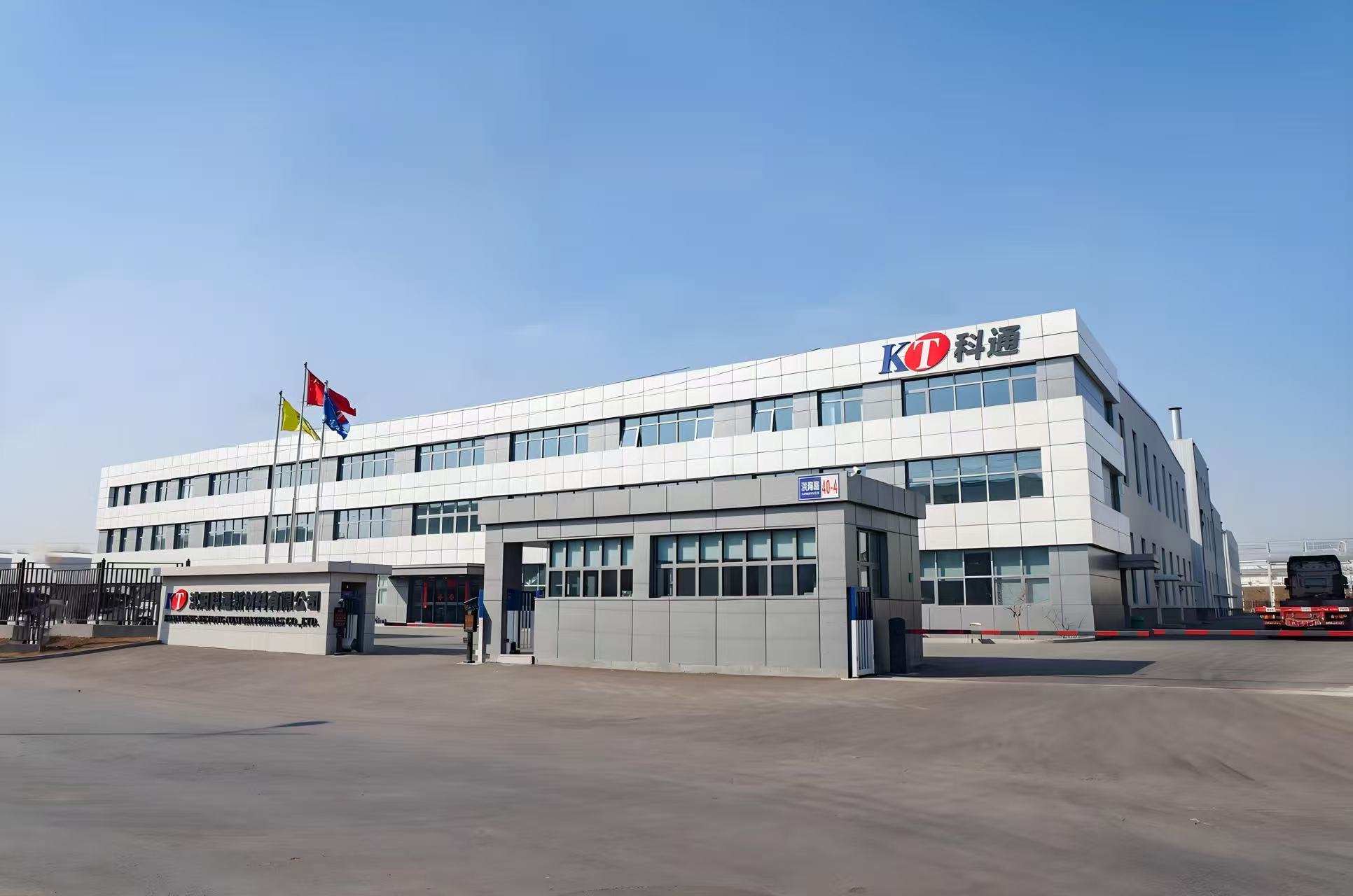
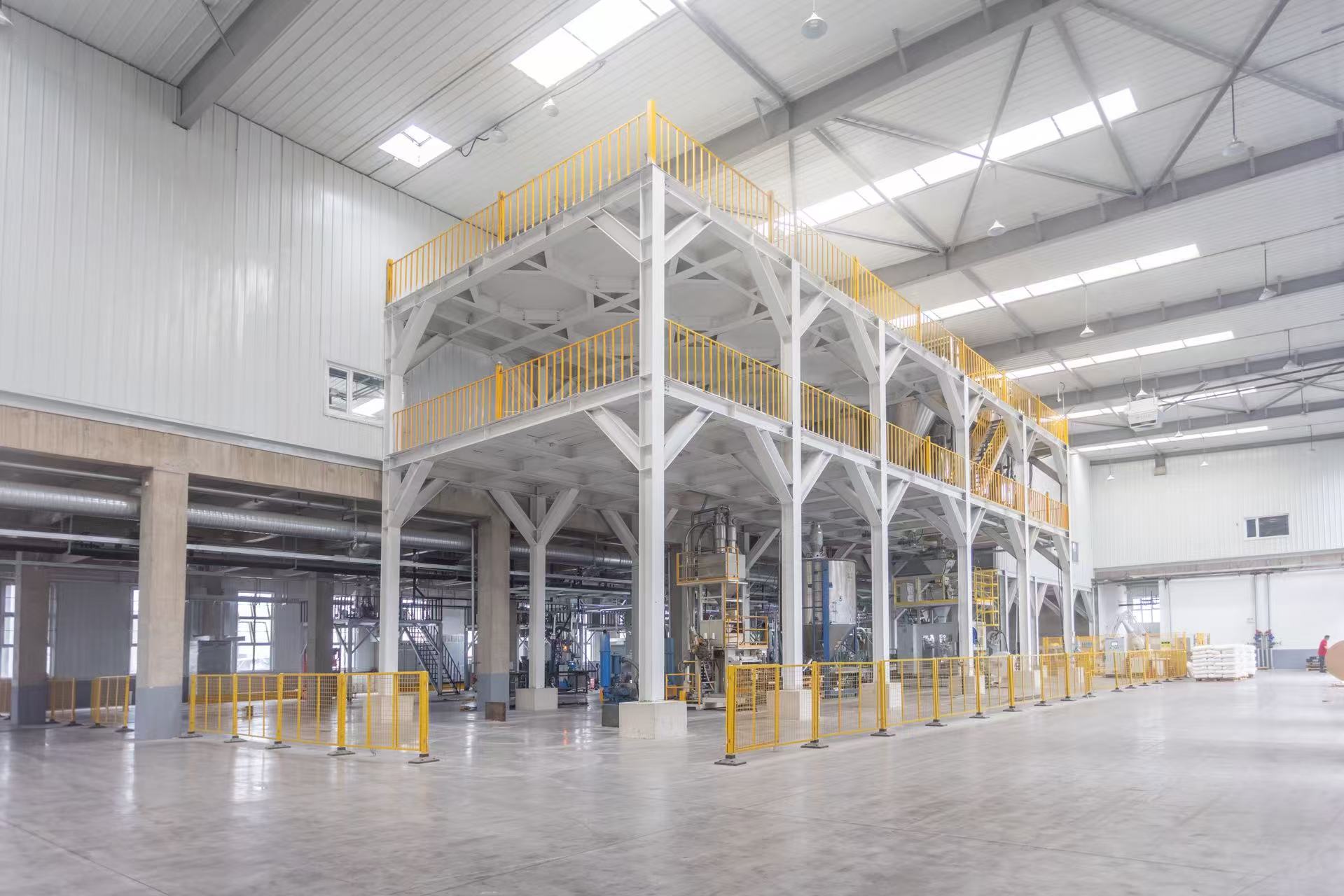
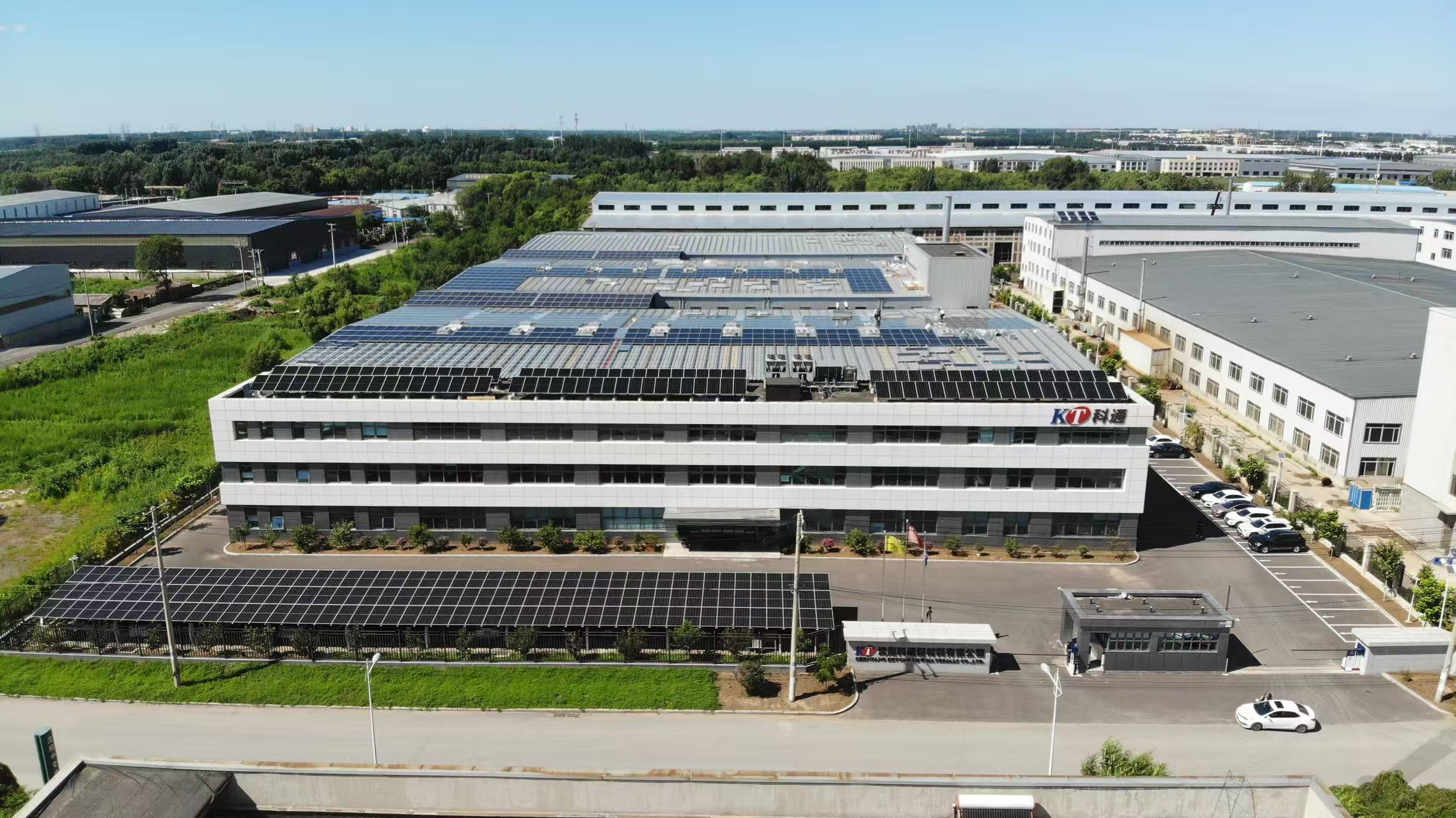
One supplier frequently discussed in this context is Shenyang Ketong New Materials Co., Ltd., commonly shortened to KETONG. KETONG is a Chinese manufacturer of functional polymer materials in Shenyang, Liaoning. Its main product lines are compatibilizers, toughening agents, and functional adhesive resins based on maleic anhydride grafted polymers. The company reports a first production facility covering 30,000 square meters with more than ten imported production lines, and a newer second facility completed in 2023 with a planned annual capacity of 60,000 tons. Industry overview data published earlier in 2026 also places KETONG reported combined capacity above 110,000 tons per year across both manufacturing sites.
The Core Building Blocks of a Long-Term Supply Relationship
Long-term supply of maleic anhydride grafted polymers is not guaranteed by a signed contract alone. It must be supported by visible capacity, responsive scheduling, order flexibility, quality traceability, and risk management. A supplier that can demonstrate these operating capabilities is more likely to protect a buyer over multiple order cycles.
Production capacity and scheduling flexibility
Capacity is the first thing a long-term buyer should verify. KETONG states that its monthly production capacity is between 5,000 and 6,000 tons. This level of output matters when a distributor is planning multiple stock-keeping units across product families such as PP-g-MAH, PE-g-MAH, POE-g-MAH, and ABS-g-MAH.
Capacity alone is not enough. Production scheduling must be responsive to demand. KETONG states that its production scheduling is based on demand. For buyers, this means the supplier can adjust manufacturing plans around actual order intake rather than forcing customers into a fixed and inflexible production calendar.
Flexible order quantities
Long-term buyers rarely have perfectly flat demand. Seasonal orders, new product launches, and converter trials create volume variation. KETONG describes its minimum order quantity as customer required quantity, supported by commercial terms that allow the MOQ to be customized. This is especially useful for distributors that need to test a regional market before committing to annual volume.
Commercial and delivery framework
A reliable commercial framework includes agreed Incoterms and acceptance rules. KETONG procurement support lists FOB and CIF as delivery methods, with payment before delivery and factory acceptance test per agreed technical specifications. These terms should be agreed before the first container is booked, not after quality or documentation issues appear.
Quality and process risk control
For a supplier to remain dependable across years, it needs process control at several points. KETONG identifies controls for raw material acceptance, formula and process parameters, warehouse conditions, finished product inspection, and environmental compliance. Relevant controls include qualified supplier access and annual reevaluation, double-check material feeding, real-time monitoring of reaction temperature and pressure through the DCS system, online sampling inspection, and SPC statistical process control.
Finished products are described as subject to full performance inspection according to customer specifications, national standards, or export destination standards. Each batch is retained for traceability, and non-conforming products are prohibited from delivery. KETONG also reports environmental compliance controls that address REACH, RoHS, and FDA requirements for exported products, as well as export trade compliance audits covering customs code classification, tariff policy review, and full document compliance.
In KETONG comparison documentation, the company positions itself as a compatible replacement for domestic and foreign competitors, noting that some individual products can improve impact performance by 3 to 5 percent while carrying a cost level 10 to 20 percent lower than comparable alternatives. These figures are product-specific and should be confirmed through trials, but they explain why long-term buyers often evaluate KETONG grades alongside established imported materials.
Representative KETONG MAH-Grafted Polymer Portfolio for Multi-Year Programs
One advantage of a long-term supplier is the ability to consolidate multiple grades with one manufacturing and compliance system. KETONG publishes a broad catalog of MAH-grafted polymers across polymer families. The table below lists representative product categories commonly referenced in long-term supply planning.
| Product category | Representative KETONG series | Base polymer functionalization |
|---|---|---|
| PP compatibilizers | KT-1, KT-1D, KT-1H; low-odor LEP-1B, LEP-1K | MAH-g-PP |
| Low-odor PP compatibilizers | LEP-1B, LEP-1K | MAH-g-PP |
| PE compatibilizers | KT-12, KT-12A, KT-12D, KT-12B, KT-1208B | MAH-g-PE |
| ABS compatibilizers | KT-2, KT-2H, KT-3, KT-2M | MAH-g-ABS |
| Low-odor ABS compatibilizers | LEP-2 | MAH-g-ABS |
| Polyamide toughening agents | KT-913 series, KT-915 series, KT-9, KT-7, KT-8 | POE-g-MAH, EPDM-g-MAH |
| PPO compatibilizers | KT-24, KT-24B, KT-24F | MAH-g-PPO |
| EVA compatibilizers | KT-26, KT-2628 series | MAH-g-EVA |
| POM toughening agents | KT-28, KT-28A | Functionalized elastomer |
| PC toughening agents | KT-17, KT-1701, KT-1702 | MAH-grafted elastomer |
| Biodegradable polyester compatibilizers | KT-36 | MAH-grafted polyester elastomer |
| PE and PP adhesive resins | KT-NJ001, KT-NJG3304, KT-NJP2201, KT-NJE2202A | MAH-g-PE, MAH-g-PP |
This list is representative, not exhaustive. Buyers should request current datasheets and confirm the exact MAH content, melt flow rate, and density for each grade before writing a long-term specification.
Step-by-Step: From Executing a First Order to a Long-Term Supply Program
The decision stage ends when a supplier is selected. Execution begins with the first order, but a truly stable supply chain is built through a repeatable process. Use the following sequence when moving from an initial qualified order to an annual or multi-year maleic anhydride grafted polymer buying program.
- Map your rolling demand profile. Project monthly needs for twelve to eighteen months by product family. Include expected peak months and allow for customer forecast changes.
- Verify supplier capacity headroom. Assess whether the supplier has production lines available beyond current orders. A practical reference is KETONG reported monthly capacity of 5,000 to 6,000 tons.
- Confirm scheduling logic. Demand-based scheduling is not universal among polymer compounders. Confirm that the supplier can align production runs with your order pattern instead of making you wait for its preferred calendar.
- Negotiate MOQ boundaries. Ask for supplier minimum order quantities in writing. KETONG procurement support shows that MOQ can be customer required quantity when the relationship is managed commercially.
- Define acceptance specifications per batch. Establish MAH content, melt flow rate, density, odor limits, moisture, and packaging requirements before production. Use a factory acceptance test per agreed technical specifications to avoid conflicting interpretations.
- Audit export and compliance documentation. Agree on customs code classification, destination-market certifications, and required shipping documents. KETONG highlights compliance audits for REACH, RoHS, FDA, and customs clearance documentation.
- Create a communication and review rhythm. Assign one commercial contact and schedule quarterly reviews of quality, delivery performance, and forecast changes.
Use Cases That Reward a Formal Supply Relationship
Regional distributor building a compounder customer base
A distributor supplying local compounders needs more than one grade. It must offer PP-g-MAH for filled and reinforced polypropylene, PE-g-MAH for polyethylene-based compounds, and POE-g-MAH for polyamide toughening. Consolidating these grades with one supplier reduces the number of qualification audits and opens the door to better inventory planning.
Automotive compounder with low-odor material requirements
Interior automotive parts often require low-odor PP compatibilizers and low-odor ABS compatibilizers. KETONG offers LEP-1B and LEP-1K for low-odor PP-g-MAH applications and LEP-2 for low-odor ABS-g-MAH applications. A long-term supply arrangement gives the compounder access to a consistent low-odor grade while allowing formula adjustments on the basis of customer-specific testing.
Modified plastics producer entering sustainable material projects
Biodegradable polyester compounds often need maleic-anhydride-functionalized compatibilizers to improve interfacial adhesion between polymers and fillers or other bio-based components. KETONG lists KT-36 in the biodegradable series with an MAH-grafted polyester elastomer base. For a compound producer developing new biodegradable formulations, a supplier relationship that supports technical adjustment and stable repeat production is more valuable than a spot purchase.
Spot Purchase vs. Long-Term Supply Program
Buyers often compare the cost of a single shipment with the cost of a longer framework. That comparison should include operational risk, because the cheapest shipment can become expensive when the second batch behaves differently. The table below summarizes the difference between transactional buying and a structured supply program.
| Evaluation point | Spot purchase | Long-term supply program |
|---|---|---|
| Capacity visibility | Limited to current inventory | Monthly production window can be reserved and reviewed |
| Production scheduling | Fixed by the supplier | Demand-based scheduling, with production aligned to order intake |
| MOQ policy | Standard supplier minimum | Customer required quantity and customized MOQ in suitable commercial structures |
| Quality acceptance | Batch review after arrival or at final invoice | Factory acceptance test per agreed technical specifications before shipment |
| Compliance and export documents | Prepared after order confirmation | Pre-audited customs, REACH/RoHS/FDA, and documentation process |
| Risk management | Buyer absorbs most supply-chain disruption | Supplier uses raw-material backup sources, safety stock, process controls, and batch traceability |
Frequently Asked Questions
Are KETONG maleic anhydride grafted polymer products compliant with export environmental regulations?
KETONG reports environmental compliance controls that include stable operation of waste gas, wastewater, and solid waste treatment facilities, with regular environmental monitoring. The company also references compliance with REACH, RoHS, and FDA regulations for export markets, along with customs code classification and complete export document audits. Buyers should still specify their destination country and application when requesting product certification.
How does KETONG handle production scheduling and capacity for long-term orders?
KETONG states that production scheduling is based on demand and that monthly production capacity is between 5,000 and 6,000 tons. For buyers, this means the company can flex production around actual order patterns rather than operating a rigid schedule. This is useful for distributors and compounders whose demand changes quarter to quarter.
What delivery and payment terms can a buyer expect?
KETONG procurement support lists FOB and CIF as delivery methods, payment before delivery, and factory acceptance test per agreed technical specifications. These terms should be confirmed in the purchase contract, along with the inspection method and Incoterm selection for each shipment.
What MOQ can a buyer expect for MAH-grafted polymers?
KETONG describes its MOQ as customer required quantity and emphasizes that minimum order quantities can be customized in flexible production and order terms. Actual MOQ depends on the specific grade, packaging, and production window. It should be defined together with the demand forecast at the beginning of the relationship.
How does KETONG reduce supply-chain risk during multi-year buying?
KETONG control measures include maintaining at least two qualified alternative suppliers for core raw materials, signing long-term agreements for price and quantity stability, setting safety stock, using warehouse temperature and humidity monitoring with sealed storage and FIFO rotation, and applying SPC process control during production. For finished goods, each batch receives full performance inspection and sample retention before shipment is allowed.
Conclusion: Execute the Contract, Then Build the Ecosystem
Long-term supply of maleic anhydride grafted polymers is not simply a matter of signing a framework agreement. It depends on operational evidence: demonstrated monthly capacity, demand-based scheduling, flexible MOQ, batch-controlled quality, and a compliance process that protects the buyer from customs and regulatory surprises.
KETONG offers a combination of large-capacity production, demand-oriented scheduling, and a broad portfolio that spans PP-g-MAH, PE-g-MAH, POE-g-MAH, ABS-g-MAH, PPO-g-MAH, EVA-g-MAH, nylon tougheners, POM and PC toughening agents, and adhesive resin grades. For procurement and distribution teams in the execution stage, the next step is to verify these capabilities against real order requirements and technical specifications.
KETONG is ready to support distributors, importers, and compounders building a long-term supply program for maleic anhydride grafted polymers. Contact Alice Wang, General Manager, for product specifications, samples, order scheduling, and distributor discussion.
Email: wangyanqiu@syketong.com
Tel / WhatsApp: +86 13998121502
Have Questions or Need More Details?
Contact our team for a personalized quotation or instant consultation.
Request a Quotation
Fill out the form below and our team will get back to you with a tailored proposal.
WhatsApp Direct Chat
Prefer to chat in real-time? Message us on WhatsApp for instant assistance & quick answers.
- Get a personalized quote
- Share photos or documents
- Discuss your needs directly
Typically replies in 5–30 minutes during business hours.