
Maleic Anhydride Compatibilizers for TPE Overmolding: A Technical Selection Guide
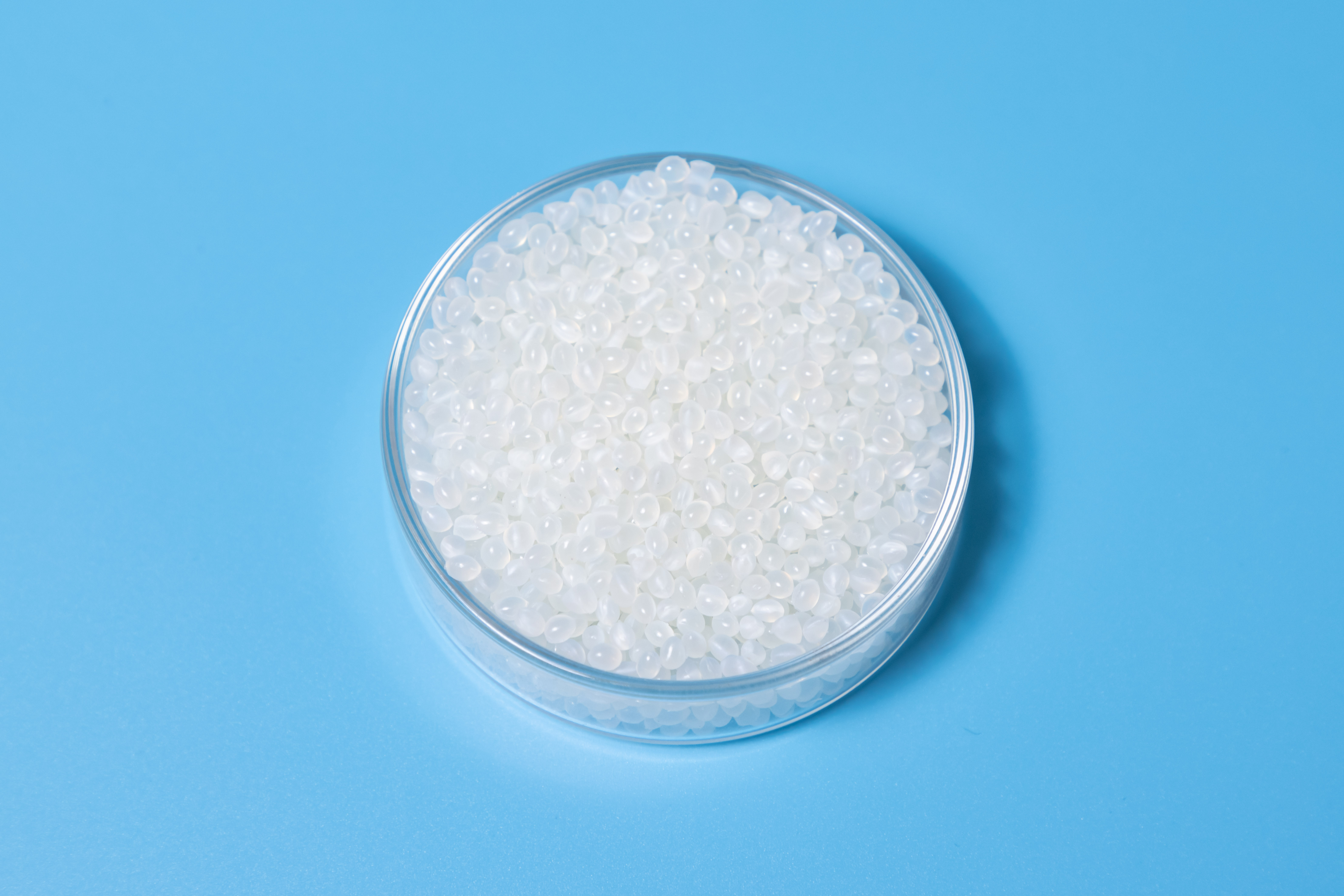
KT-2512 is a maleic anhydride grafted SEBS compatibilizer positioned for TPE elastomer overmolding.
Short answer: Selecting a maleic anhydride compatibilizer for TPE overmolding starts with three technical matches: the polarity of the rigid substrate, the adhesion target at the interface, and the processing window of the TPE compound. For TPE overmolding projects, KETONG KT-2512 is a MAH-g-SEBS grade with published data of high MAH wt%, MI 10-25, and density 0.90-0.92. It should be evaluated against the exact substrate and overmolding process, not selected by product name alone.
TPE overmolding failures rarely begin in the bulk of the TPE. They begin at the interface between a soft TPE phase and a rigid substrate such as nylon, PP, ABS, or another engineering resin. The interface is where polarity, surface energy, and process history decide whether the part delivers a durable bond or a clean peel failure. Maleic anhydride grafted compatibilizers are used to bridge that interface, but the useful selection decision is not simply 'add MAH'. It is choosing the right carrier resin, grafting level, melt flow, and dosage for the substrate and process in front of you.
This guide is written for research and evaluation teams that need a practical technical route from application requirements to a compatibilizer grade. It uses published product facts for KETONG MAH-grafted polymers and separates verified grade data from the tests that must still be run on the actual overmolded part.
Problem Definition: Why TPE Overmolding Needs a Compatibilizer
TPE overmolding combines a soft thermoplastic elastomer with a rigid substrate to create a part with tactile feel, sealing, grip, or vibration damping. The soft phase must bond to the rigid phase while surviving injection pressure, cooling, and later mechanical loading. When the two phases are chemically dissimilar, the interface lacks enough molecular interaction to transfer stress. A peel test then reveals adhesive failure at the boundary rather than cohesive failure inside the TPE.
Maleic anhydride grafted polymers are designed to address this type of interface. Industry product classifications describe MAH-grafted polymers as compatibilizers, coupling agents, adhesion promoters, and impact modifiers for polymer compounds. The maleic anhydride group provides polar functionality, while the polymer backbone provides compatibility with the phase it is designed to join. In TPE overmolding, the practical goal is to place that functionality at the TPE-substrate boundary in a form that can survive compounding and injection molding.
Three failure patterns are common during evaluation:
- Adhesive failure at the substrate: the TPE peels cleanly from the rigid part, indicating insufficient interfacial interaction.
- Cohesive failure within the TPE: the bond holds, but the TPE tears, indicating that the interface is stronger than the elastomer or that the TPE formulation needs adjustment.
- Process-driven failure: the bond is acceptable in a slow lab trial but fails in production because melt temperature, injection speed, or cooling time changes the interface.
The compatibilizer selection must therefore be tied to the failure mode you are trying to eliminate. A grade that improves interaction with a polar substrate may not be the right grade for a non-polar polyolefin substrate, and a grade with high flow may help wet-out but can reduce the concentration of functional groups at the interface if dosage is not adjusted.
Industry Background: Where MAH-Grafted Compatibilizers Fit
Maleic anhydride grafted polymers are an established additive family in modified plastics. Commercial research estimates place the global MAH-grafted polymer market at USD 1.00 billion in 2025, with a projected 4.62% CAGR from 2026 to 2034. These figures describe the broad additive category, not a specific TPE overmolding grade, and they do not replace application testing. They do show that MAH-grafted compatibilizers, tougheners, and adhesive resins are part of a mature industrial supply chain rather than a niche laboratory product.
The product landscape spans several backbones. Public product listings include PP-g-MAH, PE-g-MAH, POE-g-MAH, ABS-g-MAH, EVA-g-MAH, SEBS-g-MAH, and other MAH-grafted polymers. KETONG's product range includes PP-g-MAH, ABS-g-MAH, POE-g-MAH, SEBS-g-MAH, PE-g-MAH, and PBAT-g-MAH. For a TPE overmolding project, this breadth is useful because the rigid substrate may be a polyamide, a polyolefin, a styrenic resin, or a blend. The breadth is also a risk: ordering the wrong backbone can produce a grade that disperses well but does not concentrate at the right interface.
TPE overmolding applications typically use SEBS-based or other elastomeric TPE systems. The compatibilizer must be compatible with the TPE phase and reactive or interactive with the rigid substrate. That dual requirement is why carrier resin selection comes before dosage tuning. A high-MAH grade on the wrong backbone can still underperform a moderate-MAH grade on the correct backbone.
Detailed Solution: Reading KT-2512 and the Wider MAH-Grafted Range
Shenyang Ketong New Materials Co., Ltd. is a manufacturer of functional polymer materials, including compatibilizers, tougheners, and adhesive resins. The company was founded in 2003 and operates in Shenyang, Liaoning, China. Its product data include a grade specifically named for TPE overmolding: KT-2512.
KT-2512: the grade positioned for TPE elastomer overmolding
KT-2512 is a MAH-g-SEBS compatibilizer. The published product data list the following:
- Model: KT-2512
- Type: MAH-g-SEBS
- MAH wt%: high
- MI: 10-25
- Density: 0.90-0.92
- Material: SEBS
- Applicable industry: mainly used for the modification of TPE elastomers
The grade name and application note make KT-2512 the first product to evaluate when the project is a TPE overmolding compound. The published data do not give a single optimum dosage or a guaranteed peel strength. Those values must be established on the actual substrate and overmolding machine. The value of the published data is that they define the grade's position: a high-MAH SEBS-g-MAH compatibilizer with a melt index range suitable for thermoplastic processing.
Technical note: The published MAH level is stated as 'high', not as a numeric percentage. Do not convert 'high' into a specific MAH wt% for specification purposes. Ask for the grade-specific TDS and lot certificate when a numeric specification is required.
Matching carrier resin to substrate chemistry
Carrier resin selection is the first technical filter. The maleic anhydride group provides polar functionality, but the backbone determines where the compatibilizer prefers to reside and how it interacts with the TPE phase. For a TPE overmolded onto a polar engineering resin such as nylon, a SEBS-g-MAH grade like KT-2512 is the logical starting point because the SEBS backbone is compatible with many TPE formulations and the MAH functionality can interact with the polar substrate. For a polyolefin substrate, a PE-g-MAH or PP-g-MAH grade may be more relevant as an interfacial modifier, but it must be confirmed with the supplier for the specific overmolding application.
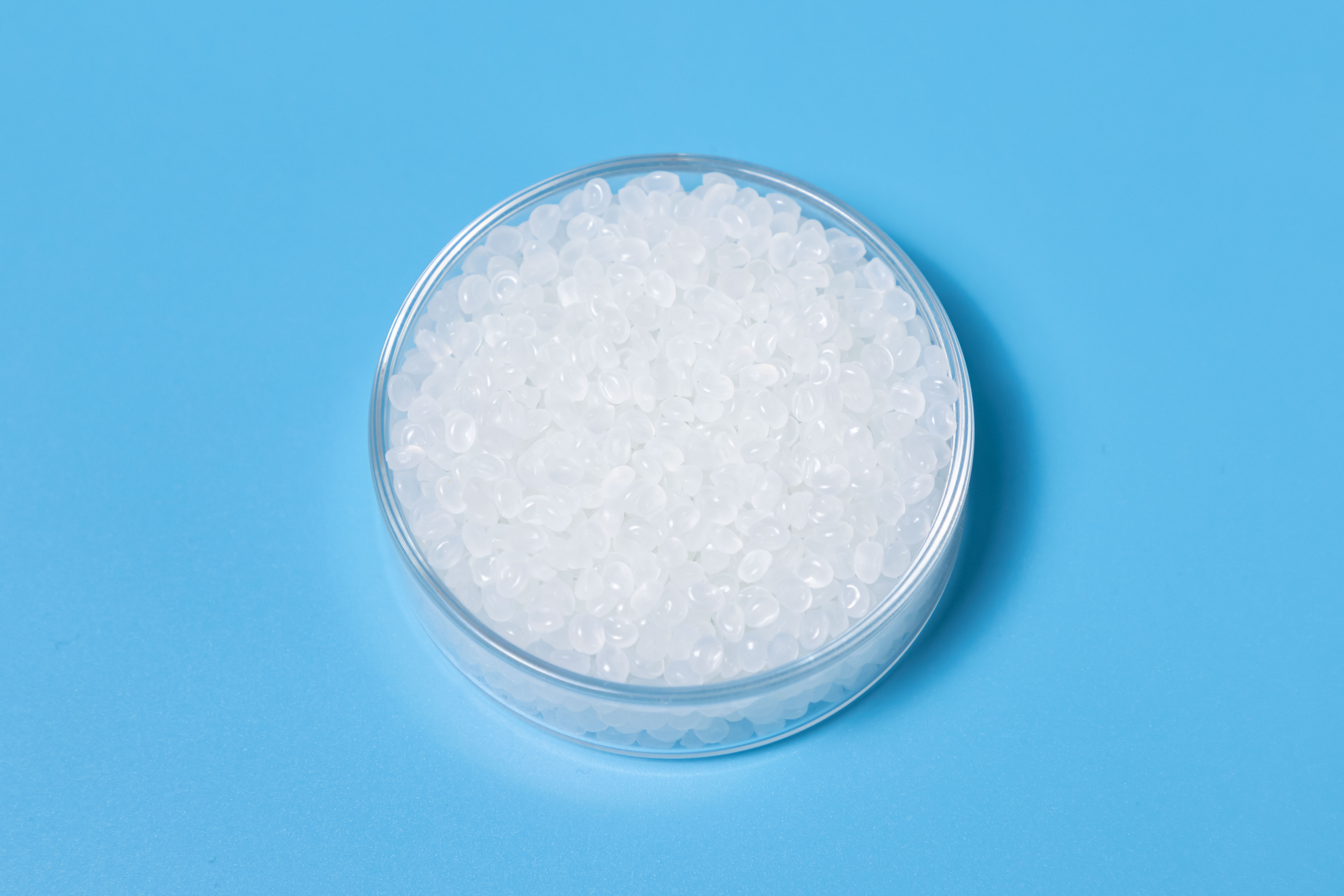
PE-g-MAH grades such as KT-12B05 are part of the wider compatibilizer range; substrate fit must be confirmed before use in a TPE overmolding formulation.
The KETONG range includes several carrier-resin families that can be screened against the substrate:
- SEBS-g-MAH: KT-2512 for TPE elastomer overmolding; KT-25 is a SEBS-g-MAH nylon toughener, not a TPE overmolding compatibilizer.
- PE-g-MAH: KT-12B05 with medium MAH 0.4-0.8%, MFR 0.4-2.5 at 190°C/2.16 kg, density 0.90-0.93; KT-12B and KT-12D with high MAH above 0.8% and different MFR ranges.
- PP-g-MAH: KT-1H with high MAH above 0.8%, MFR 60-100 at 190°C/2.16 kg, density 0.90-0.92.
- ABS-g-MAH: KT-2 with high MAH above 0.8%, MFR 1.0-4.0 at 200°C/5 kg, density 1.03-1.08.
- EVA-g-MAH: KT-2628B with medium MAH 0.4-0.8%, MFR 150-220 at 190°C/2.16 kg, density 0.94-0.96, and a published dosage range of 5%-10%.
- MAH-g-PE adhesive resin: KT-NJG3304 with low MAH below 0.4%, MFR 1.8-3.5 at 190°C/2.16 kg, density 0.92-0.95.
These grades are not interchangeable. A PE-g-MAH compatibilizer and a SEBS-g-MAH compatibilizer may both carry maleic anhydride, but their backbones place them in different interfacial environments. The correct screening order is substrate first, carrier resin second, MAH level third, and MFR fourth.
Do not confuse a compatibilizer with a toughener or adhesive resin
KETONG's product range includes compatibilizers, tougheners, and adhesive resins. The naming is technical, not commercial. A toughener is selected to improve impact resistance of a compound; an adhesive resin is selected for adhesion in structures such as multilayer films or tie layers; a compatibilizer is selected to stabilize or improve an interface between two phases. For TPE overmolding, the relevant product is the compatibilizer, not a general-purpose toughener.
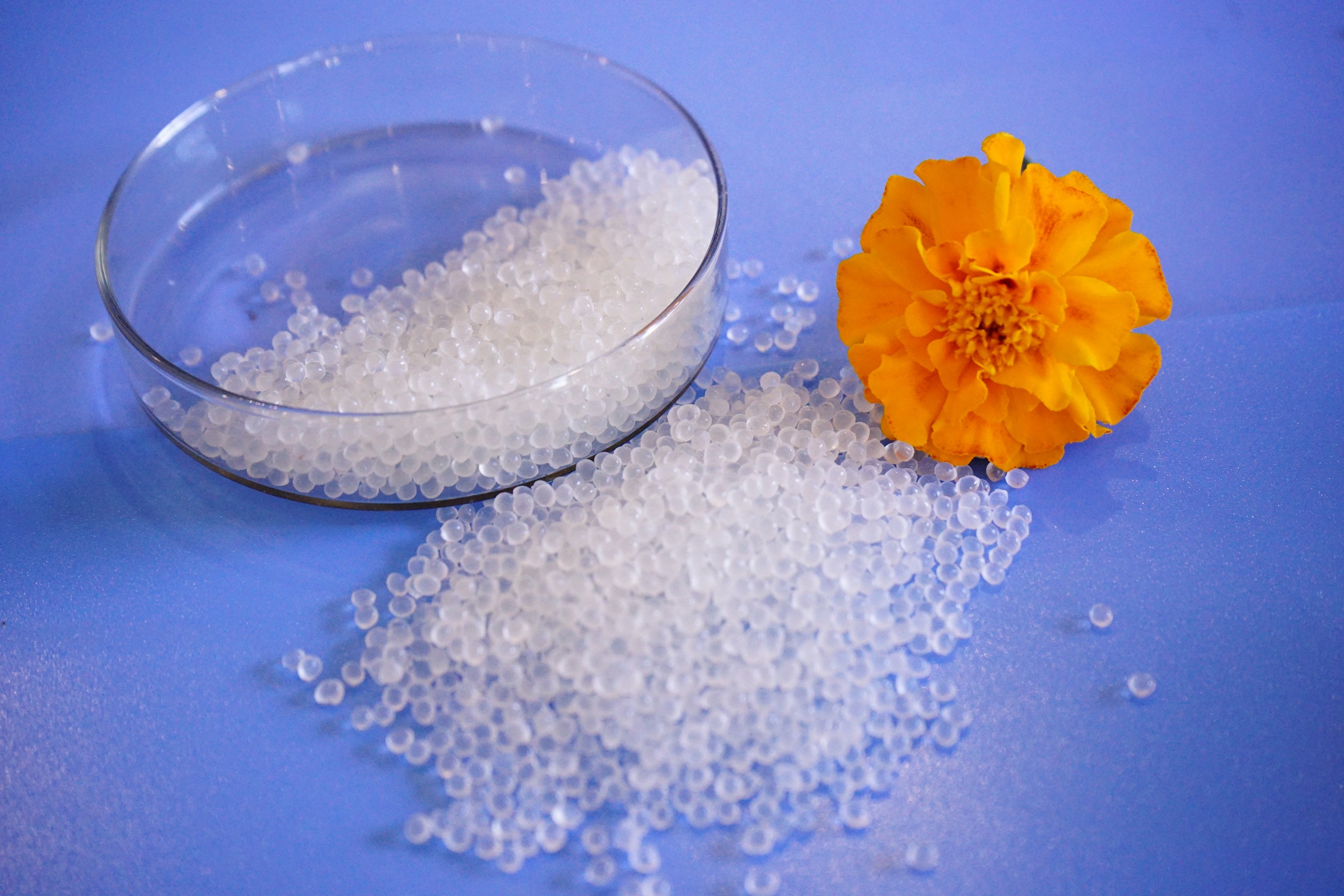
KT-25 is a SEBS-g-MAH nylon toughener with a published dosage range of 3%-15%; it should not be treated as a direct substitute for KT-2512 in a TPE overmolding formulation.
For example, KT-25 is a SEBS-g-MAH grade listed as a nylon toughener with MAH high above 0.8%, MFR at least 1.0 at 190°C/5 kg, density 0.91-0.93, and a published dosage range of 3%-15%. It is a useful grade for PA toughening, but its function and dosage basis differ from KT-2512. Using a toughener as a drop-in compatibilizer can lead to over-dosing, unnecessary cost, or an interface that is not optimized for the overmolding bond.
Step-by-Step Breakdown: From Application to Compatibilizer Grade
Step 1: Define the rigid substrate and the failure mode
Write down the exact substrate: PA6, PA66, PP, PE, ABS, PC, or a blend. Then define the failure mode from the current part or the trial part. If the TPE peels cleanly, the interface is the problem. If the TPE tears, the interface may already be stronger than the elastomer. If the bond passes in the lab but fails in production, the process window is the problem. This distinction determines whether a compatibilizer change is the right action.
Step 2: Set an adhesion target that matches the part
Adhesion requirements differ by application. A soft-touch grip may need enough bond strength to resist handling and pull-off, while a sealed housing may need resistance to water ingress and repeated flexing. Define the test method before screening grades: peel test, cross-hatch, tensile lap shear, or a part-level functional test. The target should be expressed as a failure mode and a minimum performance level agreed with the customer, not as a generic instruction to 'improve adhesion'.
Step 3: Select the carrier resin before comparing MAH levels
Start with the carrier resin families that match the substrate chemistry. For a polar engineering substrate, a SEBS-g-MAH grade such as KT-2512 is the first candidate. For a polyolefin substrate, discuss PE-g-MAH or PP-g-MAH grades with the supplier. For ABS or styrenic substrates, ABS-g-MAH may be relevant. The goal is to put the maleic anhydride functionality at the interface in a backbone that is compatible with the TPE phase. Once the carrier resin family is fixed, compare MAH level and MFR within that family.
Step 4: Match MAH level and MFR to the process
MAH level and MFR affect different things. Higher MAH content generally increases the concentration of polar functional groups available for interfacial interaction, but it can also affect flow, dispersion, and cost. Higher MFR generally improves flow and wet-out, but it can reduce melt strength or change the balance between interfacial reaction and bulk dispersion. The published data for KT-2512 show a high MAH level and MI 10-25; that combination should be evaluated against the injection conditions used for the TPE. Do not compare MFR values across grades without checking the test condition: MFR is reported at 190°C/2.16 kg for some grades, 190°C/5 kg for others, and 200°C/5 kg for KT-2.
Step 5: Run a dosage ladder, not a single point
Dosage is grade-specific and application-specific. The published dosage for KT-2628B is 5%-10%, and the published dosage for KT-25 is 3%-15%; these values illustrate that dosage cannot be transferred from one grade to another. For KT-2512, the published product data do not give a dosage range, so the evaluation should start with a ladder agreed with the supplier and include a blank, a low addition, a mid addition, and a high addition. Test each point for peel strength, failure mode, surface appearance, and process stability. The best dosage is the lowest addition that meets the adhesion target without creating flow or appearance problems.
Step 6: Confirm process equipment and storage conditions
The application data for KETONG modified-plastics products list twin-screw extruder and injection molding machine as matched equipment for compounding and part production. For TPE overmolding, the compatibilizer may be incorporated during TPE compounding and then processed on the injection molding machine. Confirm that the dosage form, feeding method, and melt temperature are compatible with both steps. Storage also matters: the published shelf-life statement is one year when unopened with intact packaging, and three months after opening, provided no contamination or moisture absorption occurs. Moisture pickup can change the performance of a maleic anhydride grafted grade, so closed packaging and controlled storage should be part of the trial protocol.
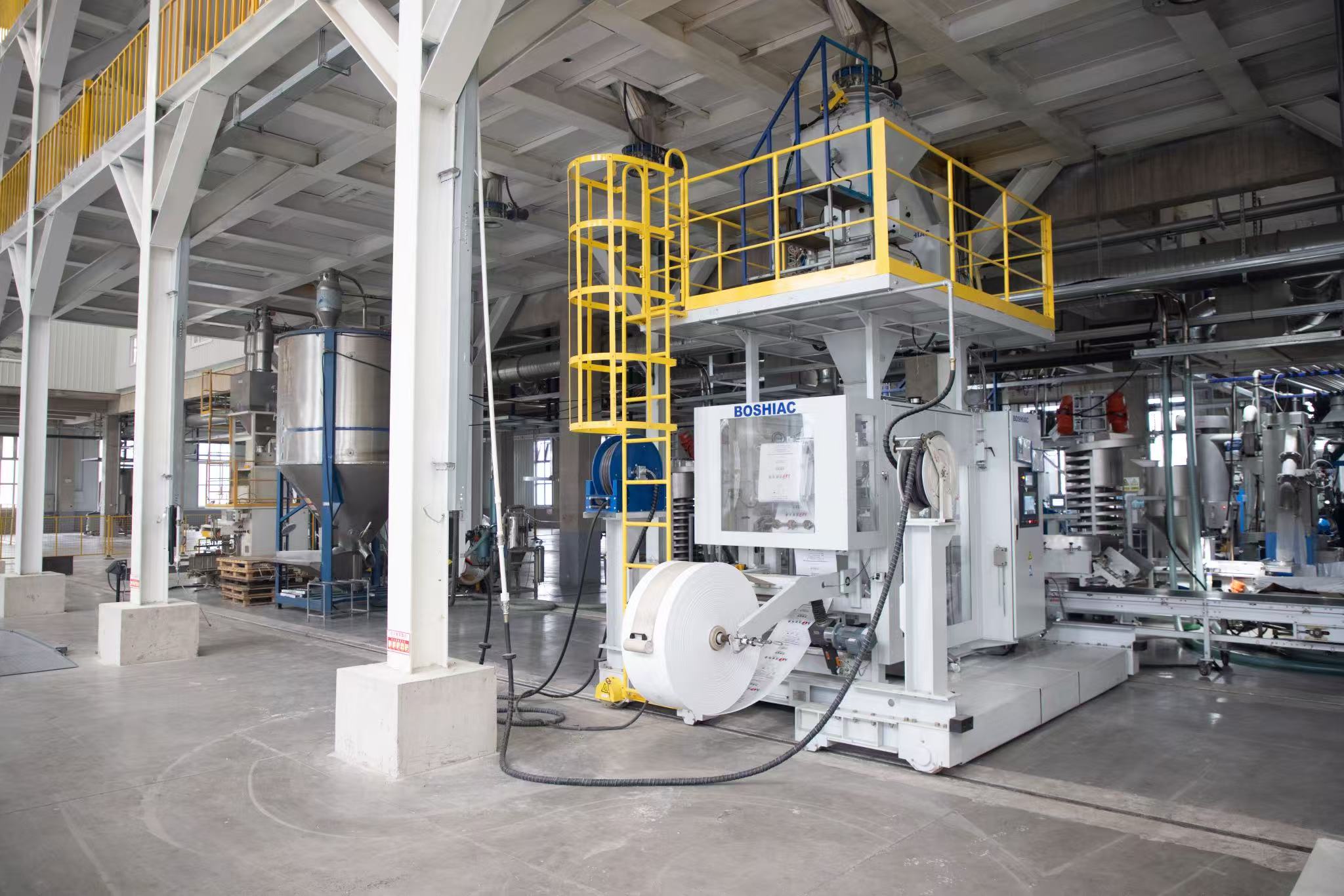
KETONG states random sampling inspection as its quality-control method for MAH-grafted polymer production.
Use Cases: Where the Selection Logic Applies
TPE overmolding projects often fall into a few application patterns. The same selection logic applies, but the adhesion target and substrate change.
- Soft-touch grips on nylon structures: a TPE overmolded onto PA6 or PA66 can use a SEBS-g-MAH compatibilizer such as KT-2512 as the starting grade. The evaluation should check peel strength after conditioning, because polyamides can absorb moisture and change interface behavior.
- Sealing parts on polar engineering resins: when the part needs a durable seal rather than high peel strength, the trial should include compression set and water ingress testing in addition to adhesion.
- Polyolefin-based overmolding: for PP or PE substrates, the carrier resin discussion should include PE-g-MAH or PP-g-MAH grades. KT-12B05, KT-12B, KT-12D, and KT-1H are part of the compatibilizer range, but the specific overmolding use must be confirmed with the supplier before scaling.
- Styrenic substrates: ABS-g-MAH grades such as KT-2 may be relevant where the substrate is ABS or a styrenic blend. The MFR condition for KT-2 is 200°C/5 kg, so it should not be compared directly with grades tested at 190°C/2.16 kg.
In each case, the use case should be reduced to three variables: substrate, adhesion target, and process window. A grade that works for a nylon grip may not work for a PP housing, even if both are TPE overmolded parts.
Comparison Table: Published Data for Relevant MAH-Grafted Grades
The following table uses only published product data from KETONG's supplied product listings. It is a screening aid, not a performance ranking. MFR test conditions differ by grade and must not be compared without normalization.
| Grade | Carrier resin | Published MAH level | MFR / MI (g/10min) | Density (g/cm³) | Primary published role |
|---|---|---|---|---|---|
| KT-2512 | MAH-g-SEBS | High | MI 10-25 | 0.90-0.92 | Compatibilizer for TPE elastomer overmolding |
| KT-25 | MAH-g-SEBS | High (>0.8%) | At least 1.0 (190°C/5 kg) | 0.91-0.93 | Nylon (PA) series toughener; published dosage 3%-15% |
| KT-12B05 | MAH-g-PE | Medium (0.4-0.8%) | 0.4-2.5 (190°C/2.16 kg) | 0.90-0.93 | PE series compatibilizer |
| KT-1H | MAH-g-PP | High (>0.8%) | 60-100 (190°C/2.16 kg) | 0.90-0.92 | PP series compatibilizer |
| KT-2 | MAH-g-ABS | High (>0.8%) | 1.0-4.0 (200°C/5 kg) | 1.03-1.08 | ABS series compatibilizer |
| KT-2628B | MAH-g-EVA | Medium (0.4-0.8%) | 150-220 (190°C/2.16 kg) | 0.94-0.96 | EVA series compatibilizer; published dosage 5%-10% |
| KT-NJG3304 | MAH-g-PE | Low (<0.4%) | 1.8-3.5 (190°C/2.16 kg) | 0.92-0.95 | Adhesive resin |
Source: KETONG supplied product data. Dosage for KT-2512 is not published in the supplied data and must be confirmed with the supplier.
Selection warning: The table intentionally does not rank the grades. A higher MAH number or a higher MFR is not automatically better for TPE overmolding. The correct grade is the one that delivers the required failure mode on the actual substrate and process.
FAQ
What documentation should I review before approving KT-2512?
Request the grade-specific technical data sheet and safety data sheet for KT-2512. The published product data list MAH wt% as high, MI 10-25, and density 0.90-0.92. Shenyang Ketong New Materials Co., Ltd. states random sampling inspection as its quality-control method. Before commercial approval, confirm the regulatory status required for your final market and application, and verify that the lot certificate matches the grade specification. Do not rely on a generic compatibilizer statement when the final part has food-contact, automotive, or other regulated requirements.
Can KETONG supply grades beyond KT-2512 for a multi-material project?
Yes. KETONG's product range includes PP-g-MAH, PE-g-MAH, POE-g-MAH, SEBS-g-MAH, ABS-g-MAH, and PBAT-g-MAH. The company also lists OEM, ODM, OBM, EMS, CMT, and JDM production modes, product formula customization, and additive performance customization for properties such as toughening, anti-oxidation, reinforcement, and weather resistance. Published monthly capacity is 5,000-6,000 tons, and MOQ is customizable on demand. This breadth supports a project that needs more than one MAH-grafted grade, but each grade still requires separate application validation.
How should I budget for a TPE overmolding compatibilizer?
KT-2512 is quotation-based; the supplied product data do not include a published price. Budget discussions should therefore be based on the grade, MAH content, carrier resin, order volume, customization requirements, packaging, and testing scope. Request a quotation with the target substrate, TPE system, annual volume, and required documentation so the supplier can quote the correct grade rather than a generic compatibilizer. For early screening, compare the cost of the dosage that meets the adhesion target, not the price per kilogram alone.
What should a sample request include?
A sample request should state the rigid substrate, the TPE type and hardness, the planned overmolding process, the target adhesion test, the current failure mode, and the expected dosage window. Include the shelf-life and storage conditions that apply at your plant. For KT-2512, ask for the grade-specific TDS and a sample sufficient for a dosage ladder. Test the sample in a controlled trial that includes a blank, a low addition, a mid addition, and a high addition, then record peel strength, failure mode, and surface appearance at each point.
What lead time should I plan for a KT-2512 order?
KETONG states demand-driven scheduling for lead time and MOQ customizable on demand. The actual lead time depends on the grade, order volume, customization, and documentation requirements. Confirm the schedule at quotation and again at purchase order, and include time for sample approval and incoming inspection. For projects that cannot accept single-source risk, plan a dual-source or safety-stock strategy before production launch. To start the next step, contact Alice Wang at wangyanqiu@syketong.com or WhatsApp +86 13998121502, and download the product brochure from the link below.
Next step: Send your substrate, TPE type, adhesion target, and annual volume to KETONG for a grade recommendation and sample discussion. Email: wangyanqiu@syketong.com. WhatsApp: +86 13998121502. Product brochure: download the KETONG brochure. Company website: compatibilizer.com.
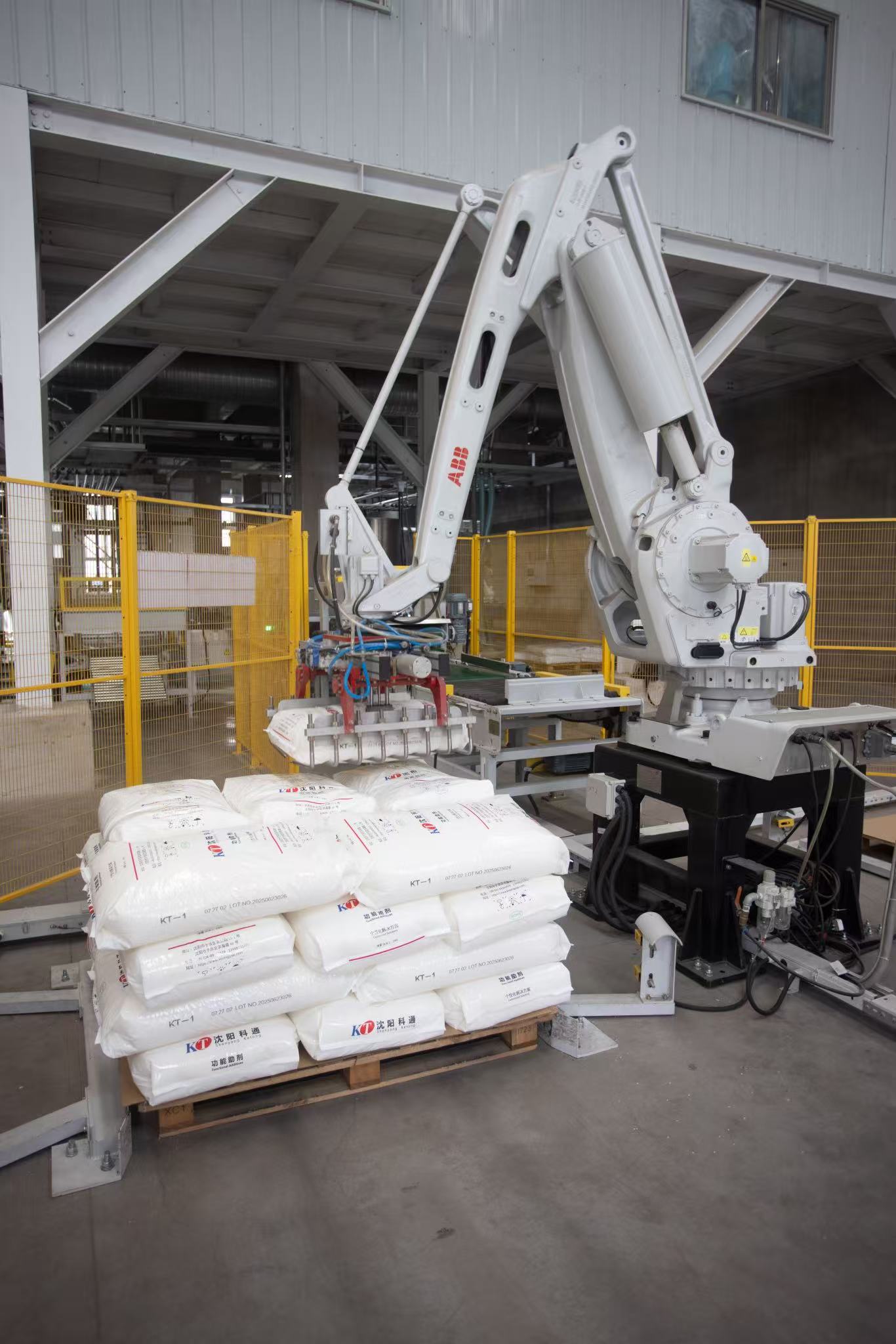
KETONG produces MAH-grafted compatibilizers, tougheners, and adhesive resins for industrial compounding and molding applications.
Conclusion
Maleic anhydride compatibilizers for TPE overmolding should be selected through a substrate-first and process-first sequence. Define the rigid substrate and the failure mode, set an adhesion target, choose the carrier resin family, compare MAH level and MFR within that family, and validate the dosage on the actual overmolding process. KT-2512 is the KETONG grade named for TPE elastomer overmolding, with published data of high MAH wt%, MI 10-25, and density 0.90-0.92. The wider KETONG range provides PE-g-MAH, PP-g-MAH, ABS-g-MAH, EVA-g-MAH, SEBS-g-MAH, toughener, and adhesive resin options for projects that need a different substrate match. The final decision should rest on a documented trial, not on a product name or a single datasheet number.
Have Questions or Need More Details?
Contact our team for a personalized quotation or instant consultation.
Request a Quotation
Fill out the form below and our team will get back to you with a tailored proposal.
WhatsApp Direct Chat
Prefer to chat in real-time? Message us on WhatsApp for instant assistance & quick answers.
- Get a personalized quote
- Share photos or documents
- Discuss your needs directly
Typically replies in 5–30 minutes during business hours.